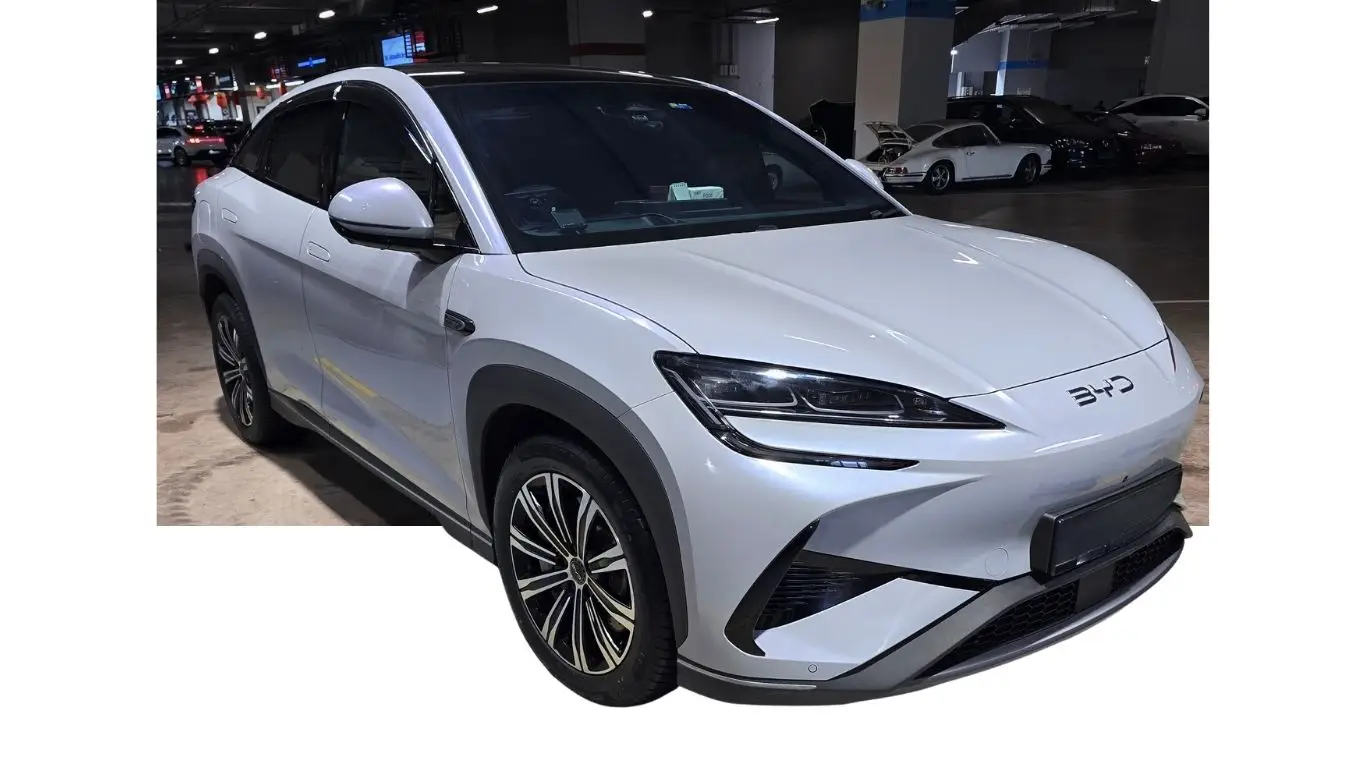

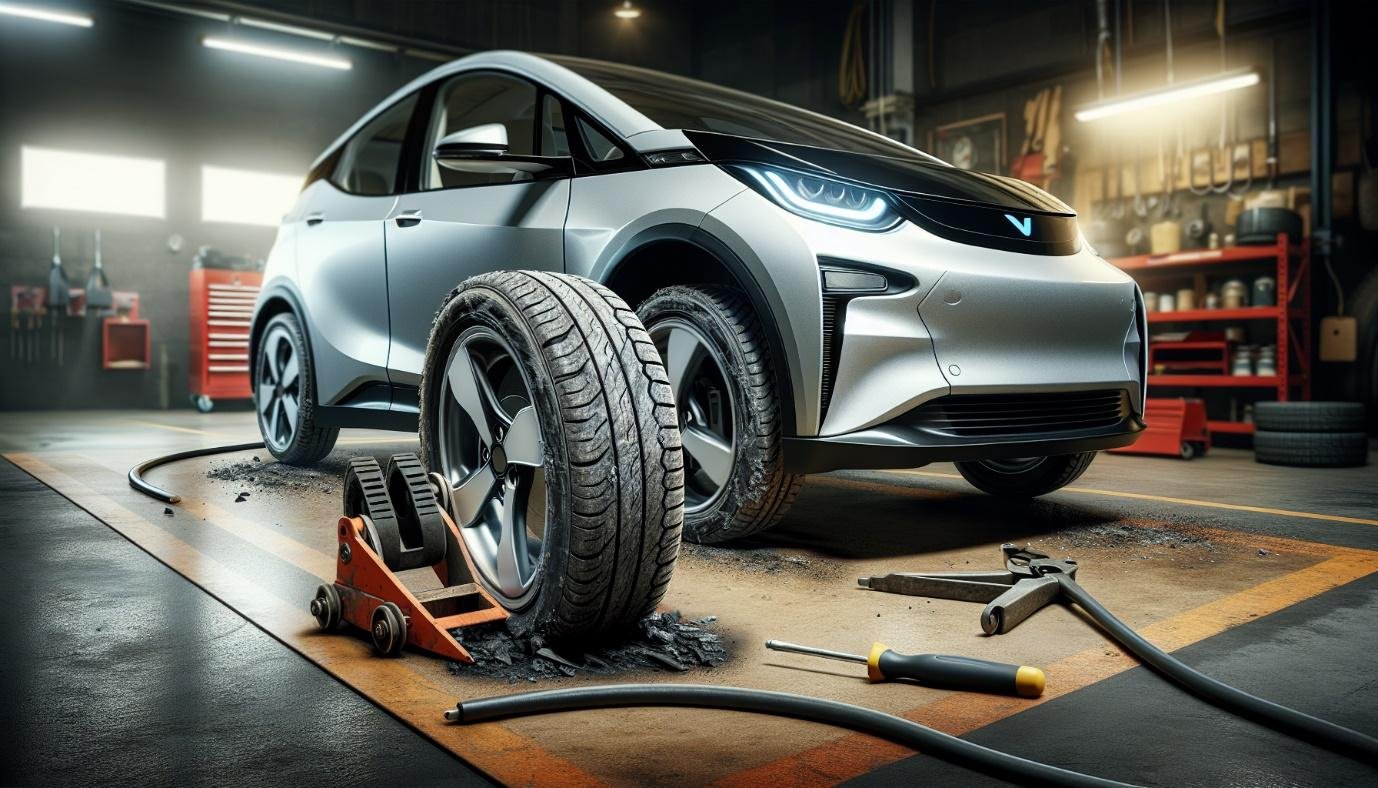

Understanding the nuances of EV tire wear is pivotal for every electric vehicle owner. As electric cars continue to surge in popularity, driven by their environmental benefits and cutting-edge technology, the spotlight inevitably falls on their tires – the sole contact points with the road. EV tire wear differs significantly from that of traditional Internal Combustion Engine (ICE) vehicles, largely due to the unique characteristics of electric vehicles, including their increased weight and instant torque delivery. Recognizing the importance of tire maintenance can not only enhance EV efficiency but also extend the electric vehicle tire lifespan, ensuring a safer, more economical, and enjoyable driving experience.
This article delves into the critical aspects of why EV tires wear out faster, drawing comparisons between electric vehicle tires and those designed for ICE vehicles. Key topics such as tire construction, the significance of tire rotation, maintaining optimal tire pressure, and understanding the tire load index are explored to shed light on electric car tire durability. Further, it provides practical maintenance tips to maximize ev tire lifespan and discusses the importance of choosing the right tires, equipped with the appropriate rubber compounds and tire technology, to support EV efficiency and cater to the increased weight of electric vehicles. Through understanding these facets, owners can significantly impact their EV tire maintenance, ensuring their vehicles remain efficient and reliable on the road.
Electric vehicles (EVs) are celebrated for their efficiency and environmental benefits, but they also pose unique challenges, particularly when it comes to tire wear. There are several key reasons why EV tires tend to wear out more quickly than those on internal combustion engine (ICE) vehicles.
Increased Vehicle Weight
EVs typically carry heavy battery packs, which significantly increase the vehicle’s overall weight. For instance, a typical battery electric vehicle can weigh anywhere from 25% to 50% more than a comparable ICE vehicle [14][15]. This added weight exerts additional pressure on the tires, accelerating wear, especially during cornering and braking where lateral forces are more pronounced [14][15].
Instant Torque
One of the hallmark features of electric vehicles is their ability to deliver instant torque. This means that the moment the driver accelerates, the full force is immediately applied to the tires. While this allows for rapid acceleration, it also places immense strain on the tires, leading to quicker degradation. The high torque can cause greater scrubbing and abrasion on the road surface, which in turn results in faster tread wear [14][15].
Regenerative Braking Effects
Regenerative braking is another feature unique to electric vehicles that contributes to tire wear. This system recovers energy during braking and feeds it back into the battery. However, it also means that the vehicle decelerates rapidly when the driver lifts off the accelerator, which can lead to additional tire stress. Each time regenerative braking is engaged, it effectively reverses the torque, applying a backward force on the tires. This not only increases wear but also affects the tires differently compared to traditional braking systems [16].
Understanding these factors is crucial for electric vehicle owners to manage tire wear effectively. By recognizing the unique demands placed on EV tires, drivers can take proactive steps to ensure their vehicle remains safe and efficient on the road.
Weight and Composition Differences
Electric vehicles (EVs) are generally heavier than internal combustion engine (ICE) vehicles, primarily due to the substantial weight of their battery packs. This increased weight necessitates tires that can handle greater loads without compromising on performance or safety [23]. EV tires are specifically engineered to support this added weight, incorporating stronger construction and robust rubber compounds to maintain structural integrity [23][24]. Additionally, the placement of batteries in EVs affects the vehicle’s weight distribution, leading to a need for specially designed tires that provide even weight distribution across the tire footprint, enhancing stability and optimizing contact with the road [20].
Performance and Longevity Comparisons
The performance of electric vehicles heavily relies on the type and quality of tires used. Tires with low rolling resistance are crucial for EVs as they reduce the energy required to keep the car moving, thereby extending the vehicle’s range and improving energy efficiency [23]. Furthermore, the unique demands of EVs, such as the need to handle high instant torque and support increased vehicle weight, influence the design of EV tires. These tires often feature specialized tread patterns and rubber compounds optimized for grip yet durable enough to withstand the wear from high torque [23].
EV tires also differ in their response to regenerative braking systems, which are common in electric vehicles but absent in ICE vehicles. This system places different stress patterns on the tires, necessitating designs that can accommodate these unique wear patterns [23]. Moreover, the absence of engine noise in EVs highlights road noise, making it essential to select tires that minimize noise to maintain the quiet, smooth driving experience associated with electric vehicles [23].
In summary, EV tires are designed with specific enhancements to address the performance, efficiency, and durability challenges posed by the unique characteristics of electric vehicles. These include adaptations for increased weight, instant torque delivery, and specific wear patterns due to regenerative braking [23][24].
Monitoring Tire Pressure
Proper tire pressure is crucial for maintaining the efficiency and longevity of electric vehicle (EV) tires. Underinflated tires can lead to a 4% reduction in driving range per charge [28]. This issue becomes even more significant during colder months, as lower temperatures can cause the air inside tires to contract, potentially leading to underinflation [28]. Regular monitoring, at least once a month and before any long trips, is recommended to ensure optimal tire pressure and to prevent increased rolling resistance and uneven tread wear [29].
Regular Rotations
To distribute wear evenly across all tires, regular rotation is essential. This practice helps optimize tire lifespan and maintains vehicle stability. Manufacturers typically recommend specific intervals for tire rotation; adhering to these guidelines can prevent premature tire wear and extend the durability of the tires [29]. Additionally, when tires are rotated, it is crucial to check and reset the Tire Pressure Monitoring System (TPMS) to ensure accurate readings of each tire’s location and pressure [30].
Alignment Checks
Maintaining proper wheel alignment is key to preventing uneven tire wear and ensuring that the vehicle drives straight. Misalignment can cause the vehicle to pull to one side, which not only affects driving comfort but also increases tire wear [34]. Regular checks and adjustments, especially after incidents like hitting a pothole, are necessary to keep the alignment in optimal condition. Although EVs might require less frequent alignments due to their design and weight distribution, it is still important to perform these checks as needed to ensure maximum tire life and vehicle performance [34].
Load Index Considerations
When selecting tires for an electric vehicle (EV), it is crucial to consider the load index. This numerical code indicates the maximum load a tire can support at the speed indicated by its rating. Due to the heavier weight from the battery packs, EVs often require tires with a higher load index than those needed for similar-sized combustion engine vehicles [45]. Higher load index tires are built to withstand heavier loads and instant torque, ensuring optimal braking and road grip, which are essential for the safety and performance of today’s EVs [37].
Low Rolling Resistance Tires
Choosing tires with low rolling resistance is paramount for enhancing the efficiency and range of an EV. Low rolling resistance tires reduce the energy required to keep the car moving, which can significantly increase the vehicle’s range—a critical factor for EV owners. These tires are designed to optimize components like tread, sidewall construction, and rubber compounds to minimize energy consumption. For instance, the MICHELIN e·Primacy tire, known for its low rolling resistance, not only improves energy efficiency but also extends the range by approximately 7%, or around 30 km for a vehicle with a 400 km range [44][40].
Noise Reduction and Comfort
The absence of engine noise in EVs makes the sound of tires on the road more noticeable, affecting the overall driving experience. Therefore, selecting tires that minimize road noise is crucial for maintaining the quiet, smooth driving experience associated with EVs. Technologies such as Michelin Acoustic, which reduces perceived noise levels by up to 20%, and ContiSilent™, which can reduce interior vehicle noise by up to 9 dB(A), are designed to enhance acoustic comfort in electric vehicles [44][38]. These technologies involve the use of foam liners or other materials that absorb sound waves, thereby reducing the noise entering the vehicle’s cabin and contributing to a more comfortable ride [45].
By understanding these key factors—load index, rolling resistance, and noise reduction—EV owners can make informed decisions when choosing the right tires, ensuring optimal performance, comfort, and efficiency of their vehicles.

The journey into the intricacies of EV tire wear emphasizes the distinctive challenges and requirements electric vehicle owners face. From the nuanced comparisons drawn between EV and ICE vehicle tires, to the maintenance practices and selection criteria for the optimal tire, this exploration provides comprehensive insights into enhancing tire lifespan, EV efficiency, and overall driving experience. Emphasizing a robust understanding of why and how EV tires wear down faster underlines the importance of proactive tire maintenance and informed selection, ensuring these vehicles remain superior both in performance and sustainability.
As electric vehicles continue to carve out significant space in the automotive landscape, the knowledge surrounding their unique tire wear patterns, maintenance needs, and the selection of suitable tires becomes ever more critical. The discussions herein not only spotlight the crucial role tires play in the efficient operation of EVs but also project the broader implications of these insights on vehicle safety, performance, and environmental impact. It beckons a future where electric vehicle owners are better equipped to make decisions that prolong the life of their tires, enhance vehicle efficiency, and contribute to a more sustainable mode of transportation, indicating a path forward filled with informed choices and optimized vehicle performance.
1. Why do tires on electric vehicles (EVs) wear out more quickly?
Electric vehicles tend to be heavier than traditional internal combustion engine vehicles due to their sizable battery packs. This increased weight results in greater load on the tires, accelerating their wear.
2. Is it necessary to use special tires for electric vehicles?
Yes, special tires are recommended for electric vehicles. These tires are designed to handle the heavier load and high instant torque typical of EVs, which contributes to increased tire wear. They are constructed with stronger materials and more durable rubber compounds. Additionally, due to the greater mass and inertia, these tires emphasize optimal grip to accommodate longer braking distances.
3. What are the unique features of tires designed for electric vehicles?
Tires designed for electric vehicles are specifically optimized for low rolling resistance and maximum energy efficiency. This design helps in reducing the energy required to turn the wheels, thereby enhancing fuel economy and extending the vehicle’s driving range.
4. Do tires on electric vehicles contribute to increased pollution?
Research by Emission Analytics indicates that tire wear emissions from electric vehicles, particularly considering the additional weight from the battery (about 1,100 pounds), can be significantly higher than direct exhaust particulate emissions from conventional vehicles. Specifically, tire wear emissions from this additional weight are over 400 times greater than those from exhaust emissions.
[1] – https://www.continental-tires.com/products/b2c/tire-knowledge/electric-vehicle-tires/
[2] – https://bec.energy/en/e-mobility-news/electric-car-tires/
[3] – https://solarchargeddriving.com/2021/05/02/does-ev-regenerative-braking-increase-tire-wear/
[4] – https://www.tires-easy.com/blog/top-ev-tires-for-electric-vehicles/
[5] – https://www.automotivedive.com/news/jd-power-tire-satisfaction-survey-electric-vehicles/711590/
[6] – https://www.vredestein.co.in/content-hub/tyre-guide/car-suv-van/unveiling-the-divide-ev-tyres-vs-regular-tyres-exploring-the-differences/
[7] – https://www.trueenergy.io/the-importance-of-maintaining-optimal-electric-vehicle-ev-tire-pressure/
[8] – https://www.linkedin.com/pulse/tire-pressure-monitoring-system-what-ev-drivers-need-know-paul-gipe
[9] – https://www.quora.com/How-often-do-electric-cars-need-an-alignment
[10] – https://www.lesschwab.com/article/tires/what-are-ev-tires.html
[11] – https://www.michelin.com.sg/auto/advice/ev-guide/electric-car-tyres
[12] – https://www.michelin.com.sg/auto/advice/tyre-basics/rolling-resistance