
Safety and performance of any electric vehicle drivetrain are pegged to a strong tyre wet grip in difficult road conditions where one needs an exact stopping power and reliable traction. As the roads get increasingly electrified with EVs, the significance of wet grip in EV tires can hardly be undermined. Not only is it crucial for overall tyre performance, but it has also played a very important role in reducing braking distances, enhancing handling characteristics, and boosting driver confidence over wet roads. Due to that, this comprehensive guide focuses on why tyre wet grip will become a critical factor for electric vehicles, specifying its effect on safety, efficiency, and comfort under adverse weather conditions.
What provides the wet-grip capacity of EV tires—that is, the contribution that tire design and sidewall technology have alongside tire compounds in guaranteeing optimum wet performance—will be discussed throughout this publication. It also makes it possible for one to benefit from some of the gains associated with EV tires of high wet grip ratings, including reduced tire wear, reduced tire noise, and superior handling, all amalgamating to underpin the tires’ role in road safety and vehicle life. It also details useful information on how to choose wet-weather tyres for an electric vehicle that make the most of the latest innovations in wet grip tyre technology, outlining the future of EV tyre performance. The roadmap provides many valuable insights into making informed choices related to tyre safety, maintenance, and choice, highlighting the real importance of wet grip in enhancing driving performance.
Factors Affecting Wet Grip
EV tires are mostly plagued by vehicle weight and peculiar demands of electric propulsion. On its part, the heavier electric vehicles put more stress on tires while requiring robust grip from its longer braking distances and rapid acceleration from instant torque. Another factor is the regenerative braking system in EVs that capture energy during deceleration, which places unique stresses upon tires, and graphite requires special designs for handling these forces suitably.
Role of Technology in Enhancing Wet Grip
Advances in tire technology are crucial for the improvement of wet grip in EV tires. Michelin, for instance, is working on symmetric and asymmetric tread patterns; extreme Silica+ tread compounds that will allow a plethora of traction and braking in every possible condition. Other innovations, such as the ‘ologic’ by ECOPIA, work on narrow treads with large diameters that are inflated at larger pressures to favor fuel efficiency without chickenhood on wet road braking through reduced rolling resistance or improved grip.
Noticeably, noise reduction technologies, such as acoustic foam, are also designed into EV tires to compensate for the much quieter electric vehicles by minimizing road noise and making the driving experience more pleasant4. With such technology enhancements, EV tires will ensure great wet and dry grip while contributing to vehicle efficiency and passenger comfort as well.
Better Handling
EVs equipped with tires built for their specific needs—the MICHELIN e·Primacy—deliver an enhanced handling and better capability at dealing with instant delivery of 100% vehicle power from a standstill. Contrary to internal combustion engines that progressively deliver their power. High wet grip in EV tires ensures that the intense weight transfers—common in every electric vehicle—are dealt with in a very effective way that will enable better control and responsiveness under different driving conditions.
Shorter Braking Distances
The design of EV tires, in terms of specialized tread patterns and advanced rubber compounds, is important in ensuring shorter braking distances. This becomes particularly important for heavier electric vehicles with their inherently longer braking distances due to their substantial weight and instant torque. Tires like the MICHELIN e·Primacy are made to gain grip on wet roads, while at the same time holding high performance levels, thus ensuring safety through way of shorter stopping distances on wet roads.
Improved Safety on Wet Roads
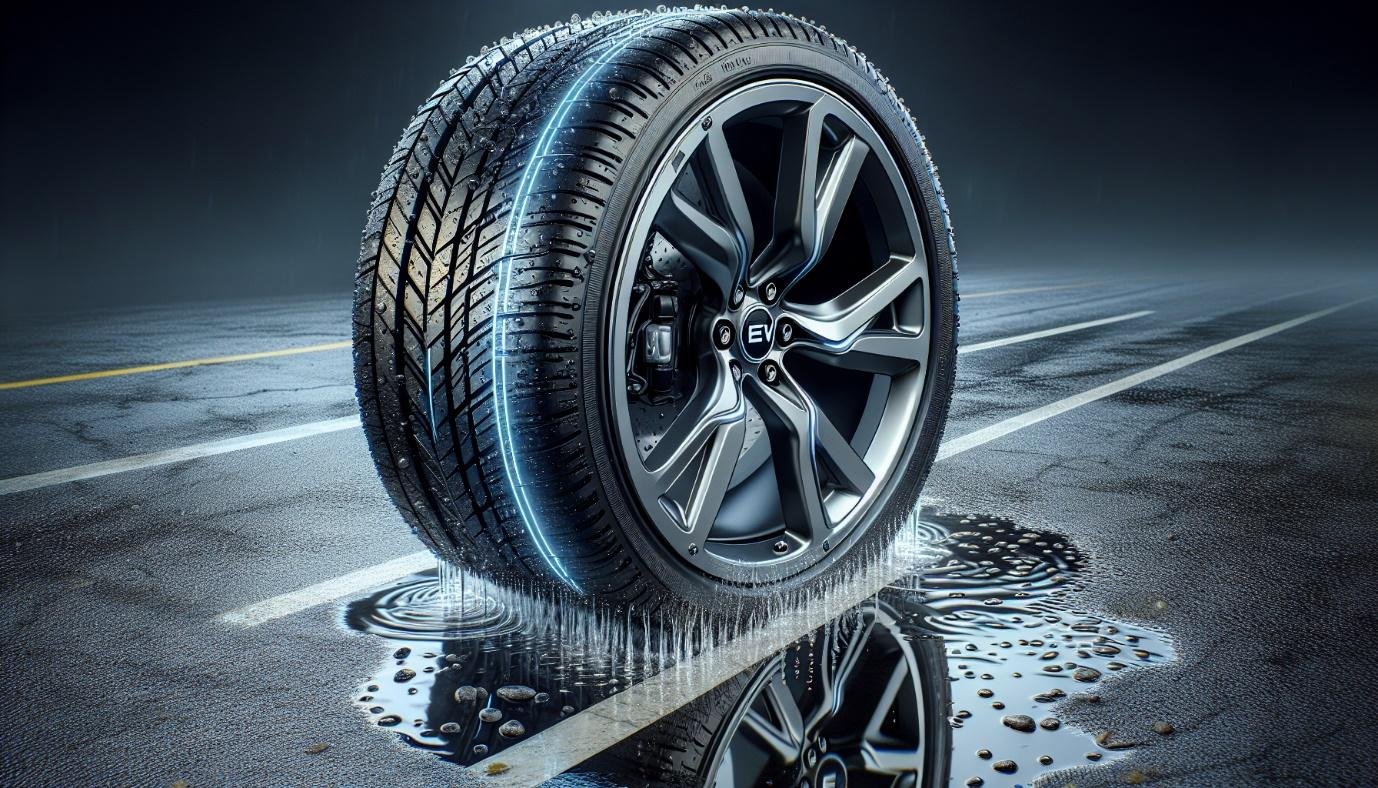
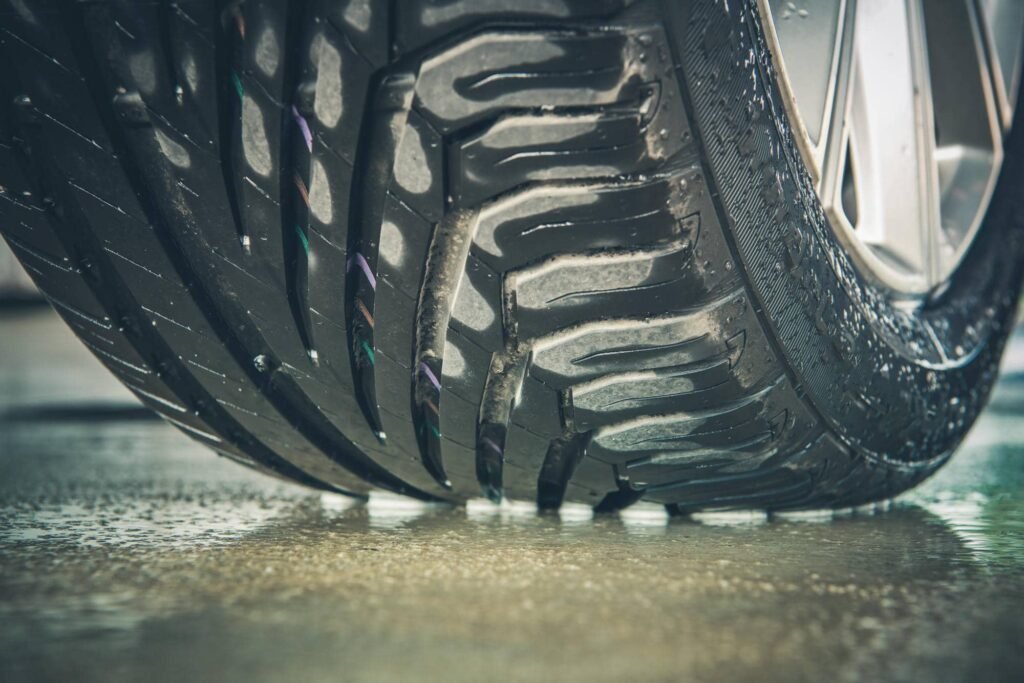
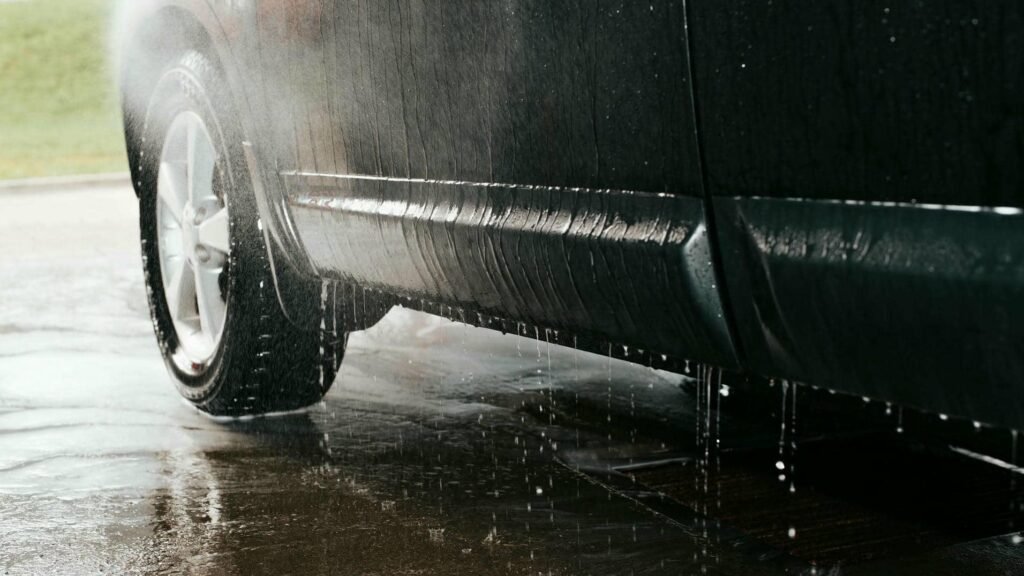
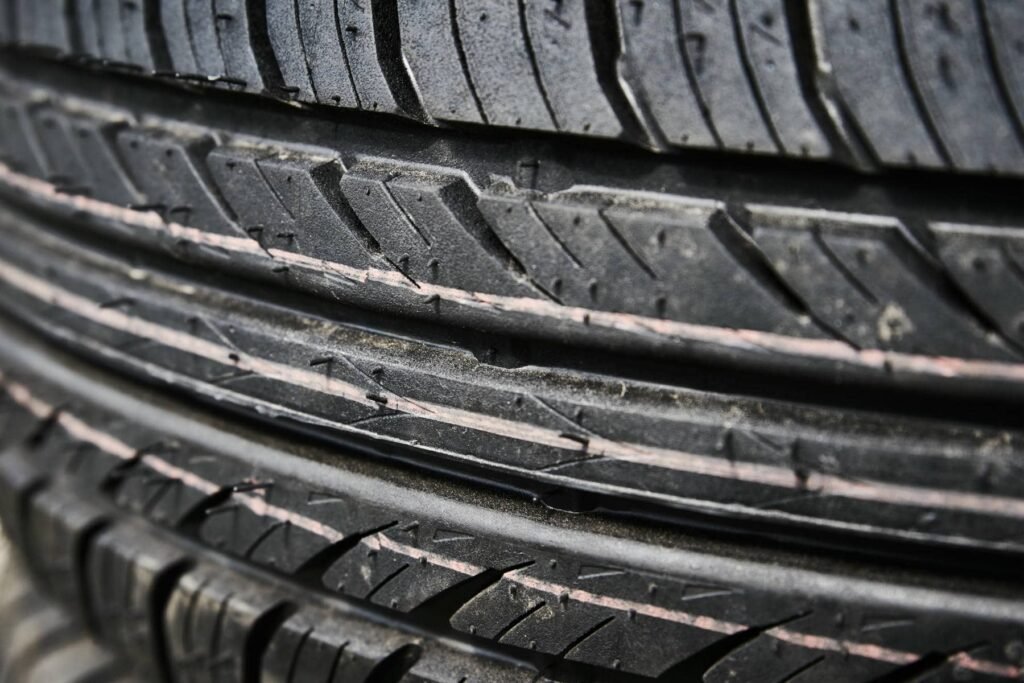
Safety is the most important parameter on wet roads where hydroplaning can easily occur. High-grip EV tires for wet ground are developed to have hydroplaning prevention technologies, such as water dispersion channels and new-generation tread design. These features provide for stability due to the formation of the contact patch between tire and road, which effectively evacuates water, hence minimal chances of loss of control. Deep tread depths in these tires also increase their ability to disperse water regularly, hence increased grip and shorter stopping distances, conditions critical for safe driving in rainy weather.
Done right, it would include an analysis of tire labels and ratings because they contain information that describes important tire performance in the wet. In 2012, the European tire label entered the market as a tool to help consumers make well-informed decisions by showing the rating for wet grip, fuel efficiency, and noise levels. These tires have ratings from A down to E, with A being most efficient in general and E the least efficient in its category. Of these, wet grip is clearly most important for EV tires, since this rating directly affects braking distances on wet roads. An A-rated tire will cut as much as 18 meters from the braking distance compared with an E-rated tire on wet roads, which is paramount to avoid accidents.
Considering Driving Environment and Conditions
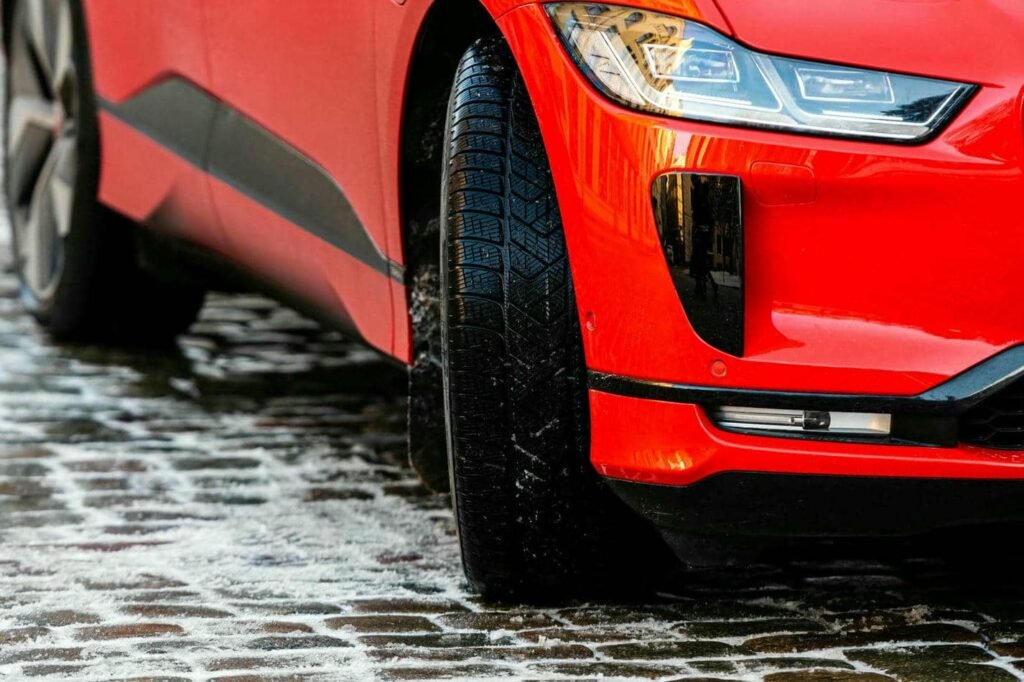
The selection of the proper EV tires also considers the exact driving conditions to which they will be exposed. For example, urban driving may require tires that perform better on handling and reduction of noise, while highway driving may prefer greater durability and rolling resistance. The tread patterns and compounds are intended to provide safety and performance in the normal vehicle environment. Low rolling resistance tires do not only improve fuel efficiency but also increase the radius of EV operation, a fact not lost on vehicle owners. If an owner is planning to operate their vehicle during the cold winter months in cold climates, then good snow and ice performance needs to be on tap, and products such as the Bridgestone Blizzak WS90 will be able to provide the necessary grip and stability needed for safe operations in inclement winter weather.
Electric vehicle evolution has driven innovations in tire technology in terms of safety, efficiency, and durability. Introduction of sensors into tires—a development that has supplied EV performance with real-time data relevant to their operation—tracks tire pressure, temperature, tread wear, and load. These sensors track tire pressure, temperature, tread wear, and load, enabling adjustment that would optimize vehicle performance and range.
Advanced Materials
Sustainable material developers for use in green tires include synthetic rubbers, tread compounds reinforced with silica, and bio-oils. Apart from reducing rolling resistance for increased EV range, these materials improve the general carbon footprint of tire production. Moreover, such innovative materials as bio-based silica and sustainable PET textile cord produced from plastic waste can fulfill the high demands of wear under EV use, contributing to longer tire life for better environmental compatibility.
Noise Reduction Techniques
As there is no noise of the engine in EVs, the need for tire noise reduction is increasing. The application adopted by the companies through state-of-the-art tread design and active noise-cancellation technology helps reduce acoustic levels. For example, Michelin’s Acoustic Technology has a ring of vibration-absorbing polyurethane foam inside the tire cavity that can reduce cabin noise up to 20 percent. Also, Hankook’s i Sound Absorber technology reduces noise inside the cabin to a greater degree, enhancing the quietness of the ride, which is one of the salient facts in EVs.
Sustainability and Efficiency
The sustainable movement has led to manufacturing of tires that are efficient and eco-friendly. For example, Continental’s Conti CityPlus technology is optimized to realize better overall energy efficiency in city driving—a factor that, besides others, counts more in EVs due to their higher torque and weight. Among other innovations, this includes specifically developed tread patterns and newly developed carcasses that, under braking and acceleration, will cut tire deformation by up to ten percent more energy-efficiently.
Knowing how wet grip is essential for performance, safety, and efficiency in an EV opens up a whole range of tyre technology understandings, going from tire design and materials to the integration of sensors by reduction techniques, understanding key factors that determine wet grip. The emphasis on high wet-grip ratings not only indicates strides in technological innovation in tyre manufacturing but also underlines the critical requirement of safety and efficiency for EV drivers under such hostile conditions.
Improvements in tyre technology, especially in regards to wet grip, are influencing the changing landscape in electric vehicles when it comes to the future of sustainable yet safe transport. It further elaborates on the importance of choosing proper EV tires based on varying conditions and variations, where careful consideration will have to be accorded to tyre labels and the driving environment. This helps improve the performance of the owner’s vehicle while contributing to the greater goal of sustainability and environmental stewardship for the automotive industry, thereby indicating a forward drive into more innovative and customer-centric solutions in tyre technology for electric vehicles.
1. Why is tyre grip important for vehicle safety?
Because it yields the friction necessary between tyres and the road surface that allows a car to be stable and controllable; inadequate grip causes uncontrolled sliding and, as such, the vehicle becomes less effective at braking, hence less safe.
2. What does a tyre wet grip rating of ‘E’ mean?
An ‘E’ wet grip rating is indicative of the longest braking distances amongst all ratings on wet roads. The wet grip ratings range from A to E, with ‘A’ representing the shortest braking distance on wet surfaces. It is one of the most important elements in considering tyre safety on wet surfaces.
3. What is ‘tyre wet grip’?
Tyre wet grip refers to the capacity of the tyre to have good grip on wet roads. This goes hand in hand with short braking distances, improved handling, and stable driving response during wet conditions—the essence of safe driving.
4. How is an EV tyre different from a normal tyre?
EV tires keep the rolling resistance as low as possible, which is important to maximize fuel efficiency and increase the miles that can be covered by any vehicle on a single charge of its battery. If the rolling resistance is less, then energy is lost to a smaller extent. Therefore, it improves the overall efficiency of the battery and enhances vehicle performance.
[1] – https://www.michelinman.com/auto/auto-tips-and-advice/electric-mobility-guide/understanding-ev-tires
[2] – https://www.joosup.com/electric-car-tyres/
[3] – https://www.bridgestone.com/technology_innovation/ologic/
[4] – https://www.sciencefriday.com/segments/electric-vehicle-tires-wear-out/
[5] – https://www.michelin.com.sg/auto/advice/ev-guide/tyres-for-electric-cars
[6] – https://www.tirewarehouse.ca/news/everything-you-need-to-know-about-electric-vehicle-tires/
[7] – https://www.linkedin.com/pulse/tyre-hydroplaning-ev-performance-wet-conditions-shiundu–we8gf?trk=public_post_main-feed-card_feed-article-content
[8] – https://www.jthughes.co.uk/Blog/View/How-Stopping-Distance-is-Affected-by-Tyres/12632
[9] – https://www.jthughes.co.uk/Blog/View/Stopping-Distance-and-the-role-of-tyres/12628
[10] – https://www.rac.co.uk/drive/advice/tyres/what-do-your-tyre-labels-mean/
[11] – https://energy-efficient-products.ec.europa.eu/ecodesign-and-energy-label/product-list/tyres_en
[12] – https://www.tires-easy.com/blog/top-ev-tires-for-electric-vehicles/
[13] – https://www.hankooktire-mediacenter.com/press-release-testnewsletter/news/hankook-ion-gt-new-summer-tyre-specifically-for-compact-electric-vehicles-1/
[14] – https://www.continental.com/en/press/press-releases/20230904-tires-iaa/