
| 1. Differences between Regular and EV Tires |
| 2. Comparing EV Tires vs. ICE Tires |
| 3. Maintenance Tips for EV Tires |
| 4. Choosing the Right Tires for Your EV |
| 5. Conclusion |


In the rapidly evolving automotive landscape, the focus on energy efficiency and sustainability has spotlighted the critical role of rolling resistance in enhancing the performance and range efficiency of electric vehicles (EVs). As the interface between the vehicle and the road, tires are pivotal in determining not only how smoothly and safely an EV operates but also how efficiently it uses energy. This emphasis on rolling resistance, a force that opposes the motion when an object rolls on a surface, has spurred the development of specialized low rolling resistance tires designed to meet the unique demands of electric vehicles. These EV tires are crafted to support additional weight, withstand high torque, and minimize energy loss through heat, thereby maximizing range and contributing to the vehicle’s eco-friendly credentials.
This article delves into the nuances of rolling resistance and its impact on EV performance, differentiating between conventional tires and those specifically engineered for electric vehicles. It will explore the unique characteristics of EV tires, including their design, material composition, and the technological advancements that enable improvements in traction, durability, noise reduction, and heat resistance. Additionally, the discussion will extend to how these attributes influence overall vehicle performance, grip, handling, and tire wear, offering insightful guidelines on choosing the right EV tire to enhance driving experience and sustainability. Through this exploration, readers will gain a comprehensive understanding of the importance of rolling resistance in the context of electric vehicles and the pivotal role tires play in harmonizing performance, efficiency, and environmental considerations.
Electric vehicles (EVs) demand specific tire characteristics to handle their unique requirements, differentiating them significantly from regular tires. These differences are primarily evident in weight and torque considerations, noise reduction, and energy efficiency.
EV tires are designed to support the heavier weight of electric vehicles due to their large batteries 1. Regular tires are not built to handle such load, which can lead to increased wear and tear. Additionally, the instant torque delivered by electric engines puts further strain on EV tires, necessitating robust rubber compounds and stronger constructions to cope with the stress 2. This design consideration helps in managing the greater mass and inertia which, in turn, affects braking distances and requires tires with optimal grip 2.
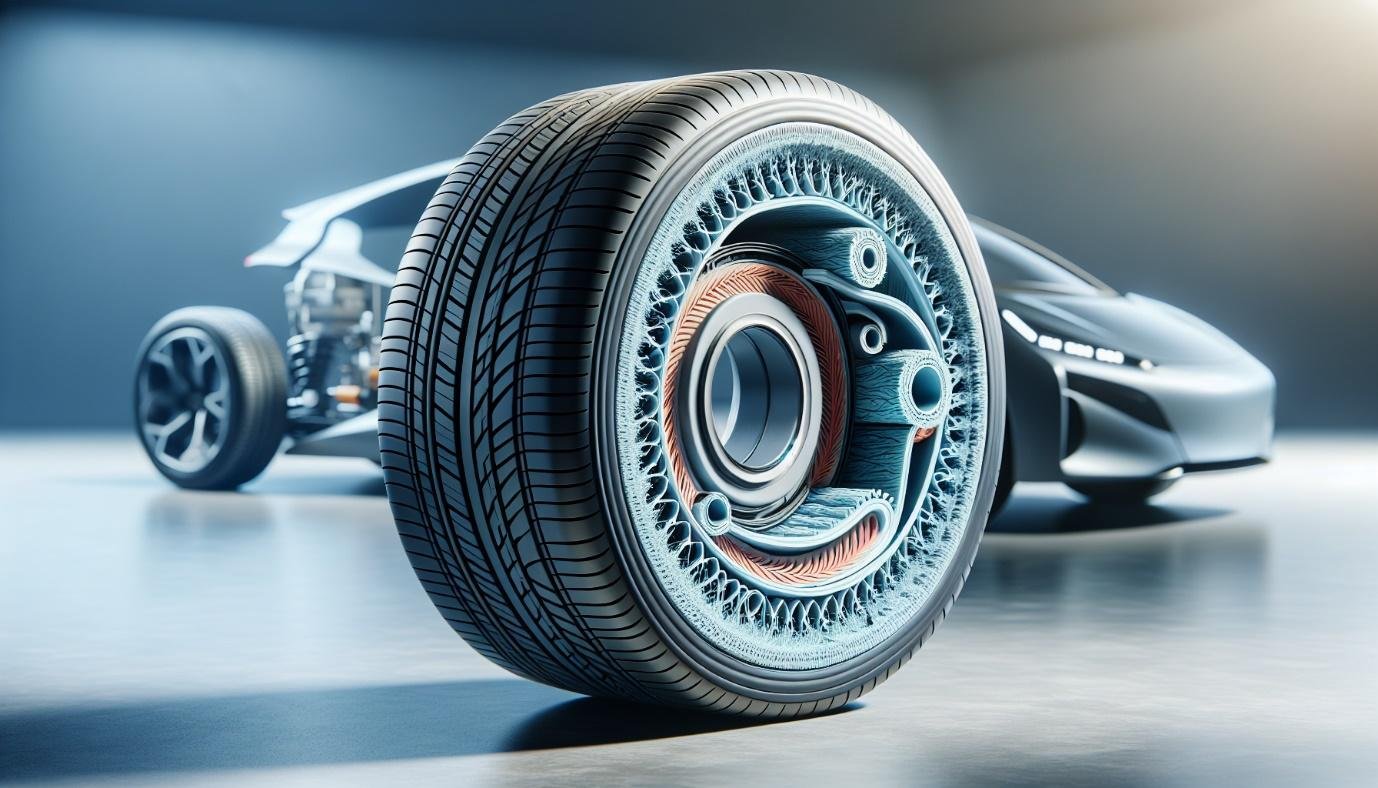
One of the standout features of EVs is their quiet operation, lacking the engine noise typical of internal combustion engines (ICE). This absence makes road noise more pronounced, thus EV tires are engineered with sound-dampening materials and designs such as foam layers and noise-absorbing compounds to reduce cabin noise 3. These technologies are crucial as they help in maintaining the quiet driving experience expected from electric vehicles, making tire noise reduction a priority for EV drivers 3.
EV tires are crafted to minimize rolling resistance, which is a critical factor in maximizing the range efficiency of electric vehicles 1. The use of special tread designs and materials like silica and advanced polymers enhances the tire’s ability to roll with less friction, conserving battery power and extending the vehicle’s range 4. Furthermore, the design and material innovations contribute to a smoother ride, reducing energy consumption and enhancing the overall efficiency of the vehicle 5.
By understanding these key differences, drivers can make informed choices about the tires they use, ensuring their electric vehicles perform optimally and sustainably.
Electric vehicle (EV) tires are specifically engineered to address the unique demands of electric mobility, focusing on performance, durability, and efficiency. These specialized tires incorporate several key features that distinguish them from standard tires.
EV tires often feature aggressive tread patterns that enhance grip on wet or icy roads, crucial for the powerful torque of electric vehicles 6. These patterns include interlocking grooves that prevent hydroplaning and stiff, wide center ribs that reduce slippage and abrasions under high torque conditions 7. Additionally, the tread design is optimized for low rolling resistance, contributing to increased battery efficiency and vehicle range 8.
The materials used in EV tires are selected for their ability to withstand the additional stress and higher loads associated with electric vehicles. This includes the use of robust polymers, silicon, or silica in the tire’s construction, which helps the tires support the heavier weight of EVs and manage the high temperatures generated by electric power use 6 7. Thicker sidewalls made from reinforced rubber compounds protect against the rapid wear and tear typical of EV driving conditions 8.
Reducing rolling resistance is critical for enhancing the energy efficiency of electric vehicles. EV tires are designed with specialized rubber compounds and structural innovations such as rigid design patterns and optimized tire profiles. These features work together to minimize the energy lost through tire deformation during driving, thereby extending the vehicle’s range and improving overall efficiency 7 8.
Each of these characteristics plays a vital role in ensuring that EV tires meet the performance standards expected by electric vehicle owners, contributing to safer, more efficient, and environmentally friendly driving experiences.
Electric vehicles (EVs) are designed with performance and efficiency at the forefront, significantly influenced by the characteristics of their tires. The unique demands of EVs require tires that can handle increased weight, provide superior traction, and minimize energy loss through low rolling resistance.
EV tires are equipped with advanced tread patterns and compounds that enhance grip and stability, essential for managing the high torque of electric motors. These tires maintain traction even during regenerative braking, which not only preserves the integrity of the tire but also extends the driving range and enhances vehicle performance 7 8. The sophisticated traction control systems in EVs adjust power output to optimize traction, preventing wheel spin and maximizing control and efficiency 9.
The operation of electric vehicles generates considerable heat, which can affect tire performance. EV tires are constructed with heat-resistant materials and feature designs that aid in effective thermal management. This ensures consistent performance by preventing overheating and reducing the thermal degradation of the tires during extended driving sessions 10.
One of the primary goals of EV tire design is to maximize range efficiency by reducing rolling resistance. This is achieved through the use of specialized rubber compounds and tread designs that lower the energy required to maintain the vehicle’s motion. By optimizing aerodynamics and enhancing the tire’s contact with the road, these tires help conserve battery power and extend the vehicle’s range. Lower rolling resistance not only improves energy efficiency but also contributes to the overall sustainability of the vehicle 1 11.
The integration of these features into EV tires plays a crucial role in the overall performance and efficiency of electric vehicles, ensuring they meet the expectations of modern drivers in terms of safety, comfort, and environmental impact.
Tire Size and Compatibility
When selecting tires for an electric vehicle, it is crucial to consider the tire size and its compatibility with the vehicle’s specifications. EVs generally require tires that can support the additional weight from heavy battery packs. Owners should look for tires with a higher load index, which indicates the tire’s ability to carry heavier loads, essential for the increased weight of EVs 12. Additionally, the sidewall of the tire should display crucial information such as load index and speed rating, ensuring the tire can handle the specific demands of electric vehicle driving 13.
Cost vs. Value
The initial cost of EV tires can be higher due to their specialized design to accommodate unique factors like noise cancellation, load requirements, and the novelty of being tailored for electric vehicles. For instance, some EV tires can cost about 25% more than standard tires 14. However, the value they offer in terms of durability and reduced wear compensates for the upfront cost. EV tires are designed to wear down slower than conventional tires, ultimately providing better long-term value despite the higher initial investment 15.
Noise Levels
One of the defining features of EVs is their quiet operation, which brings tire noise into greater focus. EV tires are engineered to reduce noise, incorporating technology such as foam inlays and advanced rubber compounds to dampen sound 15. This is particularly important as EVs do not have engine noise to mask the sound of the tires, making the reduction of tire noise crucial for maintaining the quiet driving experience associated with electric vehicles 16.
By carefully considering these aspects—tire size and compatibility, cost versus value, and noise levels—drivers can make informed decisions that enhance the performance and enjoyment of their electric vehicles.


Throughout our exploration of rolling resistance and its substantial impact on the future of electric vehicles (EVs), we have unravelled the intricate relationship between tire technology and EV performance. By delving into the distinctive features and requirements of EV-compatible tires, including their capacity to handle increased weight, reduce noise, and improve energy efficiency, it becomes clear that the choice of tire is not merely a matter of compatibility but a critical factor in optimizing the overall driving experience and sustainability of electric vehicles. The detailed examination of tread designs, materials, and technological advancements underscores the complexities of developing tires that meet the heightened demands of electric mobility, highlighting the importance of informed tire selection for EV owners.
The significance of choosing the right EV tire extends beyond individual benefits, touching on broader implications for environmental sustainability and the advancement of electric transportation. By minimizing rolling resistance and enhancing vehicle efficiency, EV tires contribute to the reduction of energy consumption and carbon emissions, aligning with global efforts towards a more sustainable and low-carbon future. The insights provided in this article not only equip consumers with the knowledge needed to make judicious choices regarding their EV tires but also underline the collective responsibility in supporting the transition to electric mobility through mindful decisions about the technologies we adopt. As the automotive industry continues to evolve, the development and selection of EV-compatible tires will play a pivotal role in shaping the efficiency, performance, and environmental impact of electric vehicles.
1. What characteristics make a tire suitable for electric vehicles (EVs)?
Electric vehicles (EVs) are generally heavier than internal combustion engine (ICE) vehicles due to their battery packs. To accommodate this added weight, EV-compatible tire sare crafted with stronger compounds and feature thicker sidewalls. These design enhancements ensure the tires can support the increased weight of the vehicle and its components.
2. What is rolling resistance in the context of electric vehicles?
Rolling resistance refers to the various forces that oppose the forward motion of a vehicle. For electric vehicles, this includes the vehicle’s weight, the force of gravity and inertia, the friction between the tires and the road, and air resistance.
3. How do EV tires reduce rolling resistance?
EV tires are designed with specific features to minimize rolling resistance. These include a ribbed center section, which is more pronounced than in regular tires, helping to decrease resistance. Additionally, an asymmetrical tread pattern provides enhanced grip, which is particularly beneficial for the unique handling characteristics of electric vehicles.
4. What distinguishes EV tires from standard vehicle tires?
One of the primary differences between EV tires and standard tires is the tread pattern. EV tires often have a more aggressive tread design, which is better suited for urban driving conditions and provides improved traction on wet or icy surfaces. This is tailored to meet the specific performance needs of electric vehicles.
[1] – https://www.evuniverse.com/whats-the-difference-between-regular-tires-and-ev-tires
[2] – https://www.continental-tires.com/products/b2c/tire-knowledge/electric-vehicle-tires/
[3] – https://www.moderntiredealer.com/suppliers/article/33012619/whats-in-ev-tires-that-makes-them-so-quiet
[4] – https://jalopnik.com/heres-how-ev-tires-differ-from-regular-tires-1851217581
[5] – https://www.michelin.com.sg/auto/advice/ev-guide/electric-car-tyres
[6] – https://www.jimfalk.com/why-ev-tires-are-different-from-standard-rubber/
[7] – https://www.tirereview.com/5-ways-ev-tires-differ-from-regular-tires/
[8] – https://www.tirewarehouse.ca/news/everything-you-need-to-know-about-electric-vehicle-tires/
[9] – https://www.quora.com/Why-do-electric-cars-never-seem-to-spin-their-tires
[10] – https://www.apollotyres.com/en-in/stories/blogs/tyre-guides/the-complete-guide-to-electric-vehicle-tyres–navigating-the-roa/
[11] – https://www.tires-easy.com/blog/top-ev-tires-for-electric-vehicles/
[12] – https://www.lesschwab.com/article/tires/what-are-ev-tires.html
[13] – https://www.tyresafe.org/tyre-advice/tyres-for-electric-vehicles/
[14] – https://www.quora.com/How-do-EV-tyre-replacements-impact-the-overall-cost-of-owning-an-electric-vehicle-compared-to-a-petrol-powered-vehicle
[15] – https://pod-point.com/guides/an-ev-drivers-guide-to-tyres
[16] – https://www.hankooktire.com/global/en/tech-in-motion/ion-quietness.html