

Development in hybrid tyres is one of the important steps toward improved road safety and better driving comfort, placing them at the top of innovation not only for hybrid vehicles but also for vehicles with a conventional combustion engine. Not only does it provide enhanced grip and acceleration, pivotal for those split-second manoeuvres, but it also contributes greatly to the reduction of road noise, a major issue for most drivers who want a serene drive. The focus on hybrid tyres, therefore, extends beyond noise reduction to tyre wear minimization and optimization of stopping distance, ultimately to being part of hybrid car maintenance and the overall vehicle performance.
This paper presents the working behind the road noise in hybrid tyres and mentions some of its main features, along with some of the state-of-the-art technologies used to be able to achieve noise reduction without losing tyre performance. In this article, everything from tyre size to rubber compound technology will be discussed in pursuit of enabling you with the advantages of low rolling resistance tyres to choose the right hybrid tyres for your vehicle. This selection will not only ensure a quieter ride but enhanced grip, torque, and acceleration, which are indirectly related to the paramount goal of road safety. The roadmap will enable drivers to replace and manage their tyres efficiently so their hybrid vehicle runs at its best for performance and comfort.
In hybrid tyres, it is paramount to know everything about road noise for an enhanced driving experience but at comfort. Generally, the noise caused by tires—particularly in hybrid and pure electric vehicles—accounts for a large proportion of the overall vehicle noise since their engines are relatively quiet.
What Causes Road Noise?
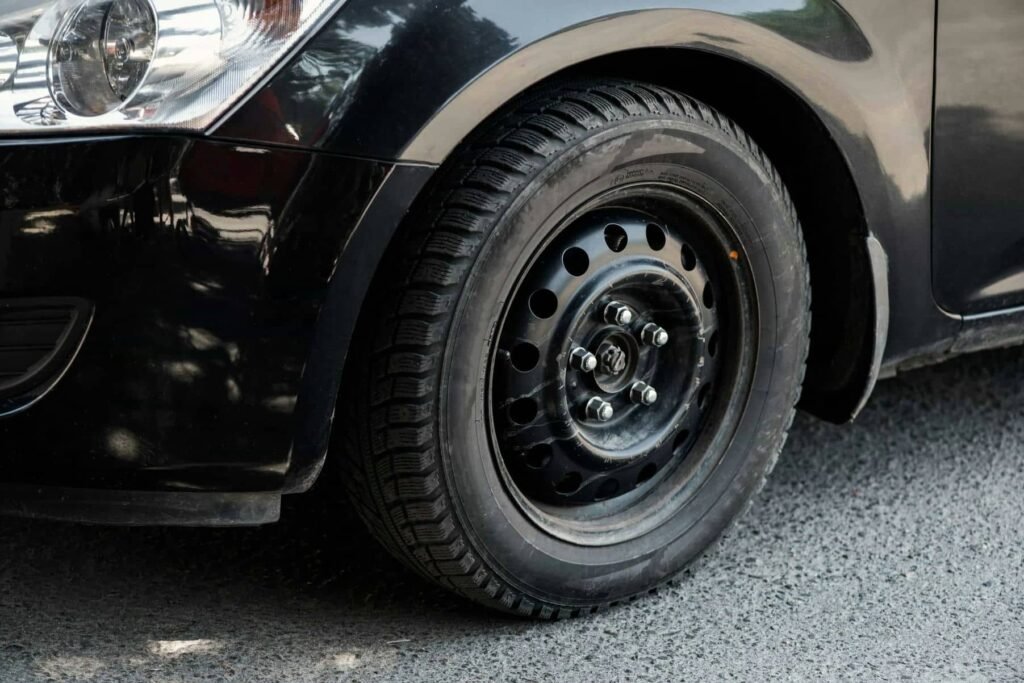
The leading cause of tyre road noise is the resultant noise from the tyre and tread impact on the road surface. This interaction depends on a lot of factors including tyre tread design and quality of the rubber compounds that come into play. Tyre noise can be mainly contributed to the action of air compression and release in tyre grooves. In this respect, compressing air between tread and road surface gives rise to the vibrations that result in noise. Large treads with wide and deep grooves have a tendency to gain more trapped air; hence, the noise level will be higher. Tire makers compact this by applying different tread patterns, which can produce a variation of tone, hence forming white noise.
Another factor that may cause tyre noise is the quality of the material used to manufacture the tyres. Most cheap tyres will employ poor rubber compounds, raising the level of noise. In contrast, high-quality tyres are made in such a way as to reduce the noise and at the same time provide improved tyre performance.
Effects on Driving Pleasure
These tire tyre noise generation processes not only affect driver comfort but also the safety of pedestrians using the road and environmental noise pollution. High levels of tyre noise can provoke disturbances in residential areas—that is, they contribute basically to the overall environmental noise levels, which are regulated on higher levels by governmental institutions.
Herein, in the case of an electric vehicle with minimal engine noise, tyre noise is the main source of sound. Already, this has tightened matters on allowable noise levels for these vehicles, impelling manufacturers to innovate in tyre design and materials for these standards to be met.
In summary, one of the major factors influencing the road noise produced by the hybrid tyres is the tread design, air compression in the grooves or cavities, and the quality of the materials used. Addressing these attributes would greatly help in reducing noise levels and increasing comfort while driving, as well as benefiting the environment.
Rubber Compounds
The noise reduction performance of hybrid tyres is very critical in the quality of rubber compounds. The use of quality raw materials, like in the case of Continental, will radically reduce the noise levels while at the same time improving general tyre performance. Such raw materials are tested under strenuous situations for their safety and effectiveness in noise reduction .
Tyre Construction and Design
Innovative design features in this sphere include noise reduction in the urban environment, as Silent Pattern applied in EcoContact 7 with tread blocks having mini-sized spaces contributing by tamping down the noise coming from the road surface, laying the path for a quieter drive in thick urban traffic. Some technologies, such as ContiSilent, use a polyurethane foam absorber applied to the inner surface of the tread area inside the tyre. This foam still works efficiently at different temperatures and velocities, cutting road noise by up to 9 dB(A) and improving interior comfort .
Sidewall Innovations
Sidewall technologies also help make hybrid tires quieter. At Pirelli, this is made possible through specific sound-absorbing material insulation it uses inside its tire walls, able to absorb vibrations that may达 the interior of the vehicle and cause noise. Done properly, not only will there be noise damping but comfort will also increase for passengers. Also, Acoustic Technology by Michelin assures air pressure designing inside the tire that damps noise, especially in heavy traffic, where is a need to ensure silence and comfort during the drive.
The following key features prove that this challenge of road noise in hybrid vehicles is being addressed comprehensively by tyre manufacturers. Focusing on improvements in the rubber compounds, tyre construction, and sidewall innovations, these tyres have made a huge difference in offering a quiet ride which makes driving more pleasurable, without having to make any compromise on other performance parameters.
Noise-Reduction Rubber Compounds
The use of specific rubber compounds is probably one of the most effective options in the reduction of tyre generated noise. In this respect, only very high-quality materials should be used .
ContiSilent™ by Continental employs a polyurethane foam absorber glued to the inner surface of the tread area. This foam works effectively at a wide temperature and speed range and is capable of reducing interior road noise levels up to 9 dB(A). Similarly, Michelin’s Acoustic Technology uses a polyurethane solution that resonates with the noise and thus improves the comfort level for both the driver and passengers by facilitating clear communication and decreasing fatigue during long drives .
Anti-Vibration Technologies
New anti-vibration technologies also contribute to a large extent in reducing road noise. One of these pioneer technologies is the Noise Cancelling System™ by Pirelli. This technology reduces the noise effectively by half, perceived inside the vehicle by absorbing such vibrations through a sponge-like material inside the tyre. Another approach in line with it is Goodyear’s SoundComfort technology, which creates a sound barrier inside the tyres that works like a cushion inside, reducing the air vibrations and hence damping the noise experienced inside the car during travel. This technology ensures that as noise is reduced, other performance characteristics like mileage and speed capabilities are not affected.
By working on rubber compounds and anti-vibration technologies, tyre manufacturers can substantially improve the driving experience providing quieter rides sansisifyng with the safety and performance capabilities.
Factors to Consider
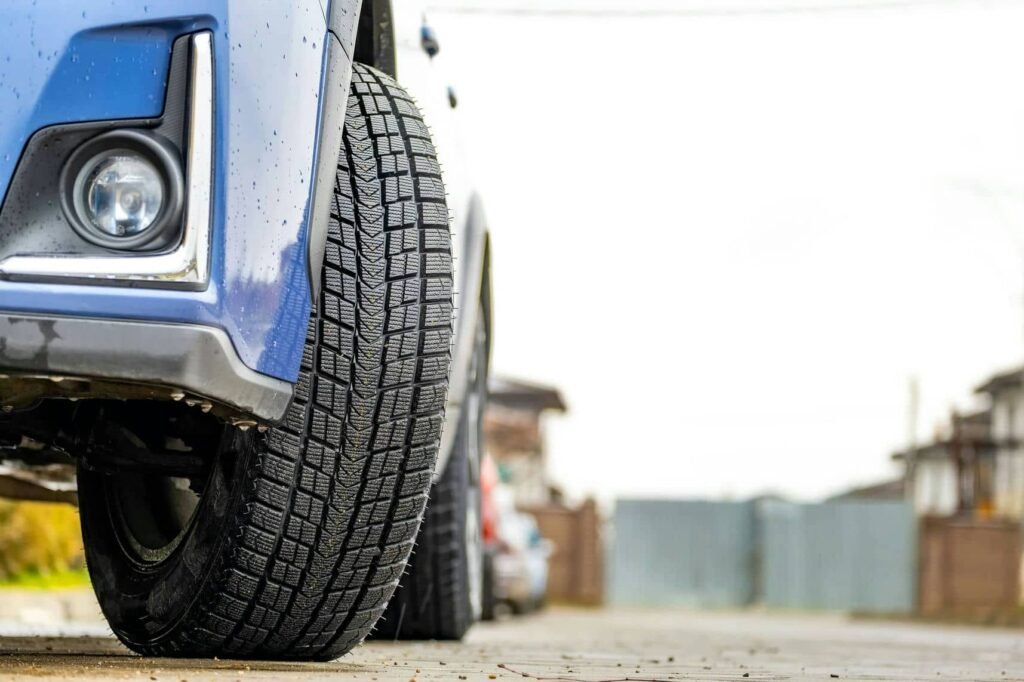
Several factors have to be kept in mind while choosing the right hybrid tyres to ensure optimum performance with sustainability. The correct tyres can have a vehicle achieve an additional 20% of its range because efficiency and range are most important. Rather, it has to do with most of the rolling resistance of the tyres, which at all costs must be low to help in conserving battery-power and hence extending the distance that the car can travel. Treadwear rating gives insight into the durability and resistance against the wearing of the tyre.
Another important factor would be traction, especially for people living in areas with extreme weather conditions. Tyres with better ratings in traction can provide enhanced handling and improved safety on wet and dry roads. For hybrid vehicles, which are heavier because of additional components like battery packs, selecting tyres that can handle the extra load is important to avoid uneven wear and therefore increase tyre life.

In the quest for quieter roads, one will find—as it shall be shown—that hybrid tyres are a junction of innovative design, cutting-edge rubber compounds, and anti-vibration technologies. From understanding the mechanics of road noise to choosing the right set of tyres, a clear path charted out shall be clear for enhanced comfort and safety in driving. The importance of hybrid tyres, however, is related not only to road noise reduction but also for the overall performance and sustainability of these very important vehicles. The gradient of implications dari this discussion goes beyond driver and passenger comfort and quietness. By using noise-reduction-designed tyres, a broader aspect of environmental stewardship is also opened for us: noise-pollution reduction and quality-of-life improvement for the city dwellers. Looking ahead, the sustained innovation in tyre technology and impetus for green transportation point to a smooth, green road ahead for hybrid tyres leading in the front.
1. What are some of the effective ways of reducing tyre noise on roads?
Keeping the speed limit in a lower range and always having your tires pumped up to recommended air pressure can prove very effective in keeping tire noise at bay. Regular tire rotations, rebalancing, and alignment provide the best set of circumstances for even wear from your tread, which most defiantly will contribute to a quieter ride.
2. Are hybrid vehicles quieter than conventional gasoline-powered cars?
Yes, hybrid vehicles are quieter than their cousins that use gas-powered motors. They are so whisper-quiet that the U.S. government has mandated that hybrid and electric vehicles must produce audible sounds at certain speeds for pedestrian safety.
3. Can quality tires help in reducing road noise?
Yes, actually, the design type of tires could really cause road noise. Tires with harder compounds simply create less friction with the road surface and thus less noise. Companies like Bridgestone, Pirelli, Sumitomo, and Falken offer various noise-reduction tires built for less noise while driving.
[1] – https://www.mdpi.com/2076-3417/12/17/8810
[2] – https://www.continental-tyres.co.uk/b2c/tyre-knowledge/tyre-mixture/
[3] – https://www.continental-tires.com/products/b2c/car/tires/ecocontact-7/
[4] – https://www.tyresonline.ae/en/blog/the-leading-noise-reducing-tyre-technologies-how-do-they-work
[5] – https://www.continental-tires.com/products/b2c/tire-knowledge/tire-mixture/
[6] – https://www.tyresonline.ae/en/blog/the-5-best-noise-reduction-technologies-by-leading-tyre-brands/
[7] – https://www.yumahonda.com/blogs/5484/what-you-need-to-know-about-buying-tires-for-your-hybrid
[8] – https://www.lakeelsinorehonda.com/blogs/5482/tires-101-what-to-know-about-hybrid-car-tires
[9] – https://www.sgcarmart.com/articles/advice/best-comfort-oriented-tyres-for-a-more-relaxing-drive-33661