

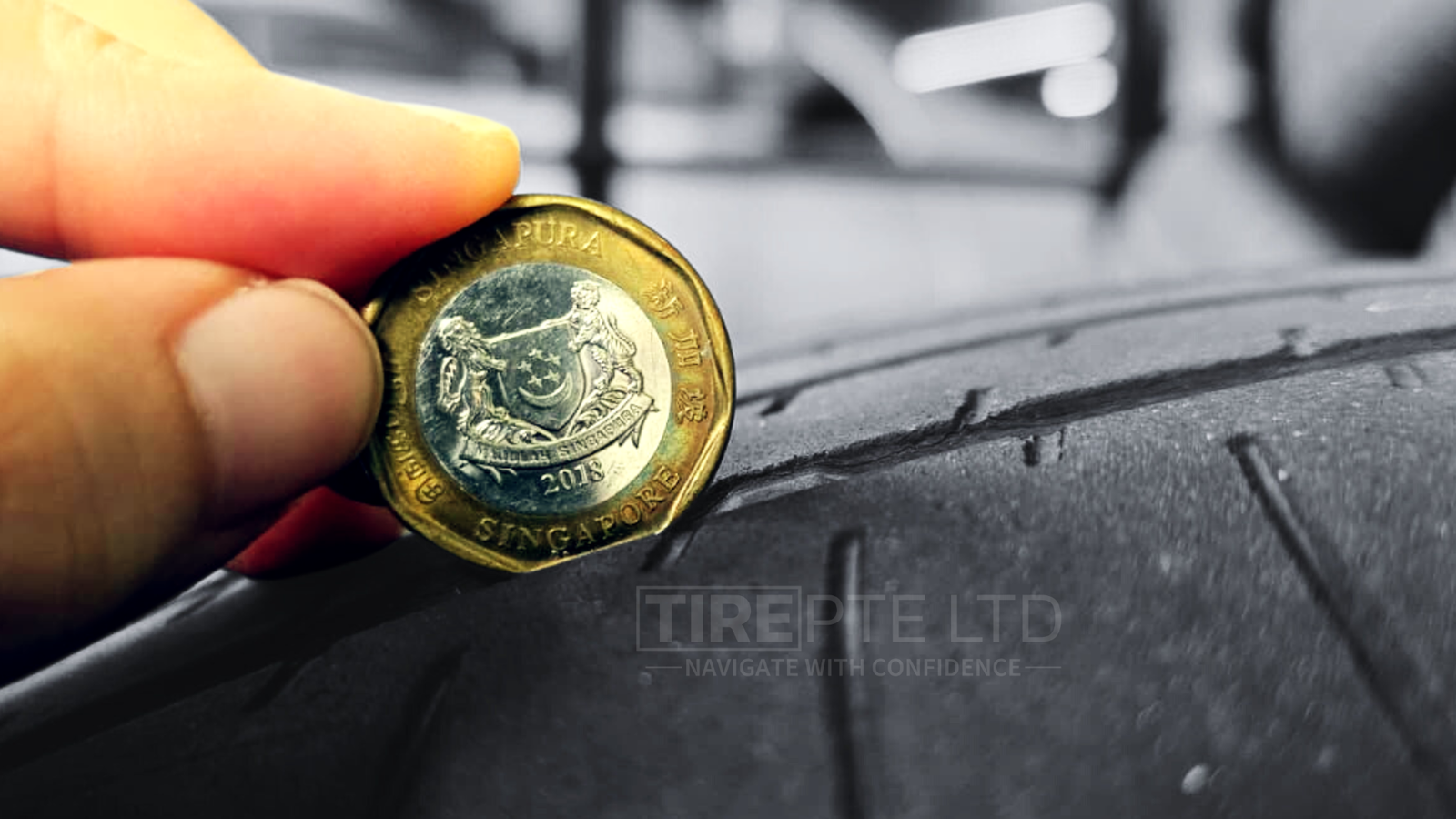
Singapore’s Land Transport Authority requires all vehicles to have tires with at least 1.6mm tread depth. But safety experts say you should replace your tires once the tread depth gets to 3-4mm. This ensures better performance and safety on the roads.
Your tires need changing based on more than just tread depth in Singapore. Tires should be replaced after five years even if they look fine. Regular drivers often ask about tire replacement frequency. The age of your tires matters just as much as wear patterns. Any tires over six years old need replacement, whatever their tread depth might be.
Singapore’s climate poses unique challenges for tire longevity. Hot and humid weather combined with frequent rain can make tires deteriorate faster. Drivers who know what to look for and stick to proper maintenance schedules can keep their tires both legal and safe on Singapore’s roads.
Tire condition is vital for safe driving, especially in Singapore’s unique climate. The tropical weather creates specific challenges that affect how tires work and wear down over time.
Heavy rains in Singapore can turn roads into danger zones within minutes. Good tire maintenance becomes critical for safety during sudden downpours. Tires with poor tread depth can’t grip wet roads well enough. This makes it hard to stop, turn, speed up, or take corners safely.
Wet roads in Singapore pose a real risk of hydroplaning. This happens when water builds up under your tires faster than they can push it away. The vehicle loses contact with the road surface. Deeper tread patterns help channel water away better, which keeps your tires touching the road.
Road conditions in Singapore create their own set of problems. The Land Transport Authority explains that water seeps through tiny holes in the road surface into the asphalt pavement. Long periods of rain weaken the pavement. This leads to loose chunks of road material and creates potholes. These road defects can badly damage your tires, causing bulging sidewalls, separated treads, and punctures.
Singapore’s Land Transport Authority requires all vehicles to have a . This rule exists to keep everyone safe. The law prohibits driving with tires that don’t have enough tread pattern depth. Your tire’s tread pattern must be at least 1mm deep across 75% of its width and around the whole circumference.
Tires with bulges from structural damage, exposed cords, or cuts bigger than 25mm or 10% of the tire width. Your insurance might reject claims if you have an accident with tires that don’t meet these standards.
Singapore’s drivers usually get 3 to 5 years from their tires. This depends on how often they drive, their driving style, and where they park. Many people change tires every 1 to 2 years because Singapore’s conditions wear them out faster.
The tropical weather really cuts down tire life. Sun exposure makes rubber hard and cracked, while humidity reduces grip on wet roads. Heat and moisture age tires much faster here than in cooler places.
You should replace tires that are more than , even if the tread looks fine. Cars that don’t get used much, like off-peak or classic vehicles, still suffer from rubber deterioration due to weather. Regular checks help keep you safe on Singapore’s challenging roads.
Safe driving on Singapore roads depends on knowing the right time to replace your tires. These telltale signs will help you avoid accidents and keep your vehicle running at its best.
Tread depth 1.6mm across a continuous band that covers the central three-quarters of the tread. Your tires need replacement once they reach this limit. Tire wear indicators are small raised ribs at the base of main tread grooves that serve as visual reference points. New tires become necessary when your tread sits flush with these indicators. The coin test method gives you a quick way to check – you need new tires if Lincoln’s head is visible after inserting a penny upside down into the tread groove.
Shows your tire’s aging from sun and ozone exposure. Sidewall bulges or bubbles point to dangerous internal damage that could cause sudden pressure loss. These problems usually happen after hitting potholes, curbs, or obstacles too fast. Cracks in sidewallsNever drive on tires with bulges – they can break down and cause blowouts at high speeds. Not sure if your tires are still safe? WhatsApp us for a quick tire safety consultation now. WhatsApp +65 6925 5296
Irregular wear patterns reveal problems that need attention quickly. Your tires might have alignment problems if you see excessive wear on inner or outer edges. Overinflation leads to center wear, while underinflation shows up as outer edge wear. Diagonal scalloping or “cupping wear” points to suspension problems. Patchy wear suggests your tire is out of balance.
Strange sounds or vibrations often mean tire problems. Uneven tread creates poor contact with the road and makes your car vibrate noticeably. Alignment issues might cause a humming or drumming sound, while damaged CV joints could make clicking or popping noises. “Local or patch wear” creates the most dangerous vibrations that make driving unsafe.
Regular tire checks can prevent repairs from getting pricey and keep you safe on the road. Let’s look at one four quick ways to check your tires’ condition.
A tread depth gage gives you the most accurate reading of your tire’s remaining tread. Here’s how to use this tool:
Your tires often wear unevenly, so take several readings at different points. , but safety experts suggest replacing tires before they reach this level.
Your tires come with built-in tread wear indicators (or wear bars) that show up as the tread wears down. These indicators:
Your tires need immediate replacement once these indicators become level with the surrounding tread.
A simple coin to keep things simple when you do not have a gauge.
Grab a Singapore $1 coin put into a tread groove. If you can see gold rim, meaning your tread is too low, this offers a more conservative test – if the coin sinks in, you are good with the current tread.
????Watch our Beginners 101 series on TikTok
Your tire’s sidewalls need checking for:
Need help checking your tires’ safety? Message us on WhatsApp for a quick tire safety consultation: +65 6925 5296
Park on level ground to get a full picture of all tires and spot uneven wear that might point to alignment problems.
Drivers need to know both age and wear patterns to figure out the right time for tire replacement. Many drivers think tires follow a fixed replacement schedule, but that’s not true. The reality depends on several factors.
Tire manufacturers say you should . The maximum lifespan is ten years, whatever they look like. Safety-conscious drivers should get professional tire inspections after five years, followed by yearly checks. Your tires might need replacement after 30,000 to 40,000 kilometers. This number changes based on your driving style and road conditions.
Tread wear tells you when to replace tires, but age matters just as much because rubber breaks down over time. says you must replace tires once tread depth drops below 1.6mm. Safety experts recommend earlier replacement when tread hits 4/32″ (about 3.2mm) because braking distances get substantially worse. You should replace your tires when either the age limit or tread wear comes first.
Singapore’s hot and humid weather means tires last 3 to 5 years, depending on how much you drive and store them. Local drivers usually change tires every 1 to 2 years. Our challenging climate makes rubber deteriorate faster, even with good maintenance. People who don’t drive often should watch their tires’ age more than mileage. The weather affects your tires’ condition, whatever the usage.
Your tires need immediate replacement in these cases, even with good tread:
Yes, it is crucial to check tire age for rarely-used vehicles. Rubber compounds get harder as they oxidize and develop tiny cracks that reduce grip. This happens faster in Singapore’s tropical weather, so every driver needs regular tire checks.
Proper tire condition plays a vital role in driving safely on Singapore’s roads. Every driver in the country’s tropical climate must know exactly when to replace their tires. Tires serve as the only point of contact between vehicles and the road, which makes their condition crucial to prevent accidents.
This piece covers key signs that tell you it’s time for new tires. You should never ignore warning signs like low tread depth or sidewall damage. Singapore’s hot, humid weather makes tires wear out faster than they would in cooler climates.
The , but safety experts suggest getting new tires when they reach 3-4mm. Your tire’s age matters just as much as wear—you should have a professional check tires over six years old. Tires over ten years old need replacement whatever they look like.legal minimum tread depth stands at 1.6mm
Regular checks with the right measurement tools help spot problems before they turn dangerous. Checking tread depth is crucial, and you should inspect sidewalls for cracks, bulges, or damage. Strange vibrations or noises while driving often point to problems that need quick attention.
Watch for uneven wear patterns, poor grip on wet roads, or visible tire damage – these warning signs exist to protect you. Taking care of problems quickly helps you stay legal and will improve your safety on Singapore’s demanding roads. Well-maintained tires give you peace of mind during daily drives and long trips.
Understanding when to replace your tires is crucial for safe driving in Singapore’s challenging tropical climate and frequent rainfall conditions.
• Check tread depth regularly – Replace tires when tread reaches 3-4mm for safety, even though Singapore’s legal minimum is 1.6mm • Age matters as much as wear – Replace tires older than 6 years regardless of tread condition, and never use tires over 5 years old • Watch for danger signs – Immediately replace tires showing bulges, sidewall cracks, uneven wear patterns, or causing vibrations while driving • Use simple inspection methods – Perform the coin test, locate tread wear indicators, or use a tread depth gage for accurate measurements • Singapore’s climate accelerates wear – Hot, humid conditions and frequent rain cause tires to deteriorate faster, typically lasting 3-5 years
Regular tire inspections and timely replacements aren’t just about legal compliance—they’re essential for preventing accidents on Singapore’s wet roads and ensuring optimal vehicle performance in tropical conditions.
Q1. How often should I replace my tires in Singapore? In Singapore’s tropical climate, tires typically last 3-5 years. However, it’s recommended to replace them when the tread depth reaches 3-4mm, or after 5 years, regardless of tread condition.
Q2. What are the signs that my tires need replacement? Key signs include tread depth below 1.6mm, visible cracks or bulges on the sidewall, uneven or patchy wear patterns, and unusual vibrations or noises while driving. Regular inspections can help catch these issues early.
Q3. How can I check my tire tread depth at home? You can use a tread depth gage for accurate measurements, locate the built-in tread wear indicators, or perform the coin test. Insert a coin into the tread groove – if you can see the top of the coin’s head, it’s time to replace your tires.
Q4. Why do tires wear out faster in Singapore? Singapore’s hot, humid weather and frequent rainfall accelerate tire deterioration. The climate causes rubber to age and oxidize faster than in cooler environments, affecting tire grip and overall performance.
Q5. Is it safe to drive with tires that have adequate tread but are old? No, it’s not safe. Even if tires appear to have adequate tread, those older than 6 years should be professionally inspected, and those over 10 years old should be replaced immediately. Rubber compounds deteriorate over time, compromising safety regardless of visible wear.