



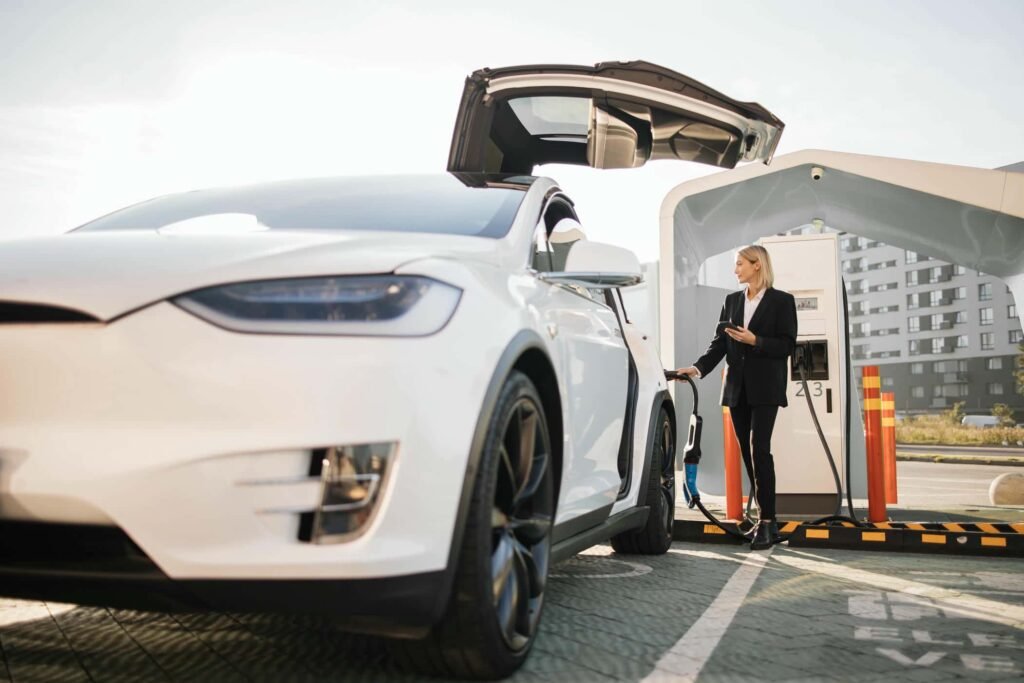
In the rapidly evolving landscape of electric vehicles (EVs), the innovation doesn’t stop at the vehicle itself but extends to a crucial component often overlooked: the tires. EV tires are at the forefront of automotive engineering, embodying the fusion of sustainability and performance. They are engineered to meet unique demands such as supporting heavier load indexes due to battery weight, optimizing energy efficiency through low rolling resistance, and enhancing grip and traction for the instant torque characteristic of electric vehicles. The significance of electric vehicle tires in contributing to a vehicle’s overall efficiency, noise reduction, and performance cannot be overstated, making them vital for the advancement of sustainable transportation.
As we delve deeper into the world of EV tires, we will explore the use of sustainable materials designed to reduce environmental impact and improve durability. Technological improvements that lead to better tire pressure maintenance, speed rating adaptation, and reduced tire wear will be examined. Additionally, the article will highlight the environmental benefits such as reduced rolling resistance, which contributes to the energy efficiency of EVs, and how advancements in tire technology can enhance regenerative braking systems. The impact of these tires on EV performance, efficiency, and overall driver experience, alongside future prospects and industry trends, including the shift towards summer tires and the importance of understanding weight distribution in electric vehicles, will provide a comprehensive overview of how EV tires are paving the way for a sustainable future.
The rapid evolution of electric vehicles (EVs) necessitates equally progressive advancements in tire technology, focusing significantly on sustainability. This section delves into the sustainable materials used in EV tires, categorized into recycled and reclaimed rubber, bio-based components, and innovative green materials.
Recycled and Reclaimed Rubber
The adoption of EVs is expected to increase scrap tire production by 12%, with estimates suggesting an annual output of 352 million tires by 2030 1. Despite the challenges, the industry has made strides in recycling efforts. The Recycled Rubber Coalition highlights the use of tire-derived aggregate and rubber-modified asphalt as innovative recycling methods. These efforts are supported by policies that encourage the expansion of recycled rubber applications, ensuring that EVs are environmentally beneficial throughout their lifecycle 2 1.
Bio-based Components
Innovations in bio-based components are pivotal for sustainable tire production. Goodyear, for instance, has introduced tires composed of up to 90% sustainable materials, including bio-based elements like soybean oil and silica derived from rice husk ash. These materials not only reduce the environmental impact but also enhance the tires’ performance in varying temperatures 3. Similarly, Hankook’s iON evo tires, made from 45% sustainable raw materials, exemplify the integration of bio-circular synthetic rubbers and bio-based silica, underscoring the industry’s shift towards renewable resources 4.
Innovative Green Materials
The tire industry is exploring beyond traditional materials to include more eco-friendly alternatives. Goodyear’s latest sustainable tires feature innovative materials such as carbon black derived from methane and plant-based oils, significantly lowering emissions compared to conventional methods. The use of recycled polyester from plastic bottles further emphasizes the shift towards materials that are not only sustainable but also uphold the performance standards required by modern EVs 3.
These advancements in tire technology not only cater to the increasing demand for sustainable products but also align with global sustainability goals, ensuring that the tire industry continues to innovate and contribute positively to environmental conservation.
Low Rolling Resistance Compounds
Electric vehicles (EVs) benefit significantly from tires designed with low rolling resistance compounds, which improve the vehicle’s efficiency and range by reducing energy consumption. These compounds are crucial as they help minimize the amount of energy lost as the tire rolls, thereby enhancing the vehicle’s overall performance 5.
Sound-dampening Technology
To complement the quieter operation of EVs, sound-dampening technology in tires plays a pivotal role. Specialized sound-absorbing materials and tread patterns are utilized to reduce tire noise, providing a more comfortable and serene driving experience. This technology is essential in EVs where the absence of conventional engine noise makes tire sounds more noticeable 5.
Durability and Wear Resistance
The increased weight of electric vehicles places additional stress on tires, necessitating advancements in durability and wear resistance. Improved rubber compounds and reinforced tire structures are developed to withstand the demands of EV applications, ensuring that the tires maintain performance over the vehicle’s lifetime. These technological enhancements help EV tires cope with the unique challenges posed by the higher torque and weight of electric vehicles 5.
Environmental Benefits of Sustainable EV Tires
Electric vehicles (EVs) are not just transforming how we drive but also how we impact the planet, significantly through advancements in tire technology. Sustainable EV tires incorporate materials like natural rubber alternatives and bio-based additives, which are crucial for reducing reliance on fossil fuels and minimizing the environmental footprint during production 6. These materials are pivotal in addressing the urgent need for sustainability in the automotive sector.
Reduction in Waste and Pollution
The environmental benefits of sustainable EV tires extend notably to the reduction in waste and pollution. By integrating recycled content and emphasizing tire recycling programs, manufacturers are making strides in promoting resource conservation 6. This approach not only mitigates waste generation but also fosters a more sustainable mobility ecosystem, crucial for reducing the overall environmental impact of transportation.
Lower Carbon Emissions
Advanced tire compounds and tread designs are engineered to minimize rolling resistance, which plays a significant role in improving energy efficiency and reducing greenhouse gas emissions during vehicle operation 6. This enhancement contributes to a cleaner environment by curbing the emissions associated with traditional tire use, thus supporting global efforts to combat climate change.
Conservation of Natural Resources
Embracing circular economy principles, EV tire manufacturers implement strategies like retreading and end-of-life management to conserve natural resources 6. These practices ensure that the tires are not only made from sustainable materials but are also managed sustainably throughout their lifecycle, which is essential for maintaining ecological balance and ensuring that automotive progress does not come at the expense of the environment.
By focusing on these aspects, the tire industry plays a crucial role in supporting the environmental advantages of electric vehicles, making them a truly green choice for the future.
Impact on EV Performance and Efficiency
Electric vehicle (EV) tires significantly influence the overall performance and efficiency of the vehicle. The design and materials of these tires are tailored to meet the unique demands of electric vehicles, which differ markedly from those of traditional combustion-engine vehicles.
Increased Vehicle Range
One of the most notable impacts of advanced EV tires is the increase in vehicle range. Tires designed with low rolling resistance compounds reduce the energy consumption as the vehicle moves, thereby extending the range. For instance, the MICHELIN e·Primacy tires improve an EV’s energy efficiency so effectively that they can increase the vehicle’s range by approximately 7% or about 30 km for a vehicle with a 400 km range 7. Additionally, maintaining proper tire pressure is critical as even a small deviation can significantly affect the vehicle’s rolling resistance and, consequently, its efficiency and range 8.
Better Energy Efficiency
The efficiency of electric vehicles is also enhanced by innovations in tire technology. New technologies, such as Continental’s Conti CityPlus, reduce the total energy consumption of a tire by up to 10%, which can extend the driving range by up to 3% in real urban driving conditions 9. This improvement is particularly vital for electric vehicles, where every kilometer of range counts, making these tires an integral component in the pursuit of more energy-efficient mobility.
Enhanced Driving Experience
Electric vehicles benefit from a smoother and more responsive driving experience, thanks to the specialized design of EV tires. These tires are equipped with unique tread patterns and rubber compounds that not only minimize road friction for better energy efficiency but also enhance the vehicle’s grip and responsiveness. This is crucial for effectively harnessing the instant torque provided by electric motors, leading to a more controlled and enjoyable driving experience 10. Moreover, the integration of noise-cancellation features in tire designs complements the inherently quiet nature of electric vehicles, ensuring a serene driving environment free from excessive road noise 10.
By focusing on these key areas, EV tires play a crucial role in optimizing the performance and efficiency of electric vehicles, making them a pivotal component in the advancement of sustainable automotive technology.
Goals for 100% Sustainable Materials
The tire industry is setting ambitious sustainability goals, with companies like the Bridgestone Group aiming to use “100% sustainable materials” in their products by 2050. Sustainable materials are defined as those sourced from resources with a continuous supply and minimal environmental and social impact throughout their lifecycle 11. Similarly, Michelin is committed to achieving 100% sustainable tires by leveraging advanced technologies and materials, including biomass-derived butadiene and recycled polystyrene 12.
Industry-wide Sustainability Efforts
Significant strides are being made across the tire industry to reduce environmental footprints and enhance sustainability. Giti Tire, for instance, has set a target to reduce its Scope 1 and Scope 2 emissions by 30% by 2030 and aims to achieve Net Zero by 2050 through operational optimization and technology adoption 13. This commitment is part of a broader industry trend where major players are not only focusing on sustainable production but also on the end-of-life management of tires, emphasizing recycling and compliance with regulatory standards like the EU Deforestation legislation 13.
Consumer Education and Market ShiftsEducating consumers about the benefits of sustainable tires and promoting eco-driving habits are crucial for reducing tire pollution and extending tire life. Encouraging practices such as maintaining proper tire pressure and avoiding sudden acceleration can significantly decrease tire wear and environmental impact 14. Furthermore, the shift in consumer preferences towards more sustainable and efficient products is influencing market dynamics, driving the adoption of electric vehicle-specific tires that offer enhanced performance and lower environmental impact 15. This consumer-driven demand is reshaping the tire industry, compelling companies to innovate and adapt to new market realities.


Throughout this exploration into the evolution of EV tires, it is evident that the intersection of innovation and sustainability is not only shaping a new era in automotive technology but also reinforcing the essential role tires play in enhancing the efficiency and environmental friendliness of electric vehicles. From the integration of sustainable materials and advanced tire design to the resultant improvements in performance, efficiency, and reduced environmental impact, the advancements discussed illuminate the tire industry’s commitment to supporting the growth of electric mobility. The significance of these innovations extends beyond immediate benefits, highlighting the broader impact on sustainable transportation and the automotive industry’s response to environmental challenges.
Looking forward, the continuous development and adoption of sustainable tire technologies represent a critical pathway towards achieving a more sustainable future in transportation. The advancements in EV tire technology not only support the increasing demands of electric vehicles but also align with global sustainability goals, underscoring the importance of innovation in this field. As the industry moves towards using 100% sustainable materials and strives for lower emissions, the collaboration between manufacturers, consumers, and policymakers will be pivotal in overcoming obstacles and maximizing the ecological and performance benefits of EV tires. This journey towards sustainability is not just about making better tires but also about driving the shift towards more environmentally conscious mobility solutions.
1. How do electric vehicles help achieve a sustainable future?
Electric vehicles (EVs) significantly enhance air quality as they produce zero exhaust emissions. This reduction in air pollution is particularly advantageous in densely populated urban areas where traffic congestion typically leads to deteriorating air quality.
2. What efforts are being made to produce sustainable tires?
The production, usage, and disposal of tires contribute to substantial CO2 emissions. To combat this, sustainable tires are being developed using eco-friendly materials and processes that lower these emissions. These tires often include recycled materials or are made from renewable resources, enhancing their sustainability.
3. What role do electric vehicles play in sustainable development?
Electric vehicles require fewer natural resources during production, promoting the use of renewable materials and reducing resource depletion. Furthermore, when EVs are powered by electricity generated from renewable sources, there is a significant decrease in greenhouse gas emissions, which positively impacts climate change.
4. What effect do electric vehicles have on tires?
Electric vehicles, due to their heavier weight and rapid acceleration capabilities, wear out tires approximately 20% faster than traditional internal combustion vehicles, as reported by AlixPartners. Additionally, the cost of tires for EVs is about 50% higher than those for conventional vehicles.
[1] – https://www.recyclingtoday.com/news/ev-adoption-to-lead-to-scrap-tire-surge/
[2] – https://rubberworld.com/recycled-rubber-coalition-releases-white-paper-on-ev-tire-waste/
[3] – https://electricautonomy.ca/news/2023-01-31/goodyear-sustainable-tires/
[4] – https://www.hankook-motorsports.com/en/media/news-detail.630156.html
[5] – https://www.tirerack.com/upgrade-garage/what-is-noise-reducing-tire-technology
[6] – https://www.linkedin.com/pulse/tyre-composition-ev-sustainability-towards-mobility-shiundu–gmyuf
[7] – https://www.michelin.com.sg/auto/advice/ev-guide/electric-car-tyres
[8] – https://www.michelinman.com/auto/ev-tire-range-performance
[9] – https://www.continental.com/en/press/press-releases/20230904-tires-iaa/
[10] – https://www.caliber.com/services/auto-care/tires/best-ev-tires-solve-5-unique-challenges-for-evs
[11] – https://www.bridgestone.com/responsibilities/environment/resources/
[12] – https://www.michelin.com.sg/michelin-durable-materials
[13] – https://www.giti.com/news/details/u/evs-and-sustainability-focus-for-giti-tire-at-tire-cologne
[14] – https://www.linkedin.com/pulse/sustainable-solutions-ev-tire-pollution-rajesh-gopinath-kumar
[15] – https://www.linkedin.com/pulse/strategic-analysis-electric-vehicle-specific-tires-svrtc/