
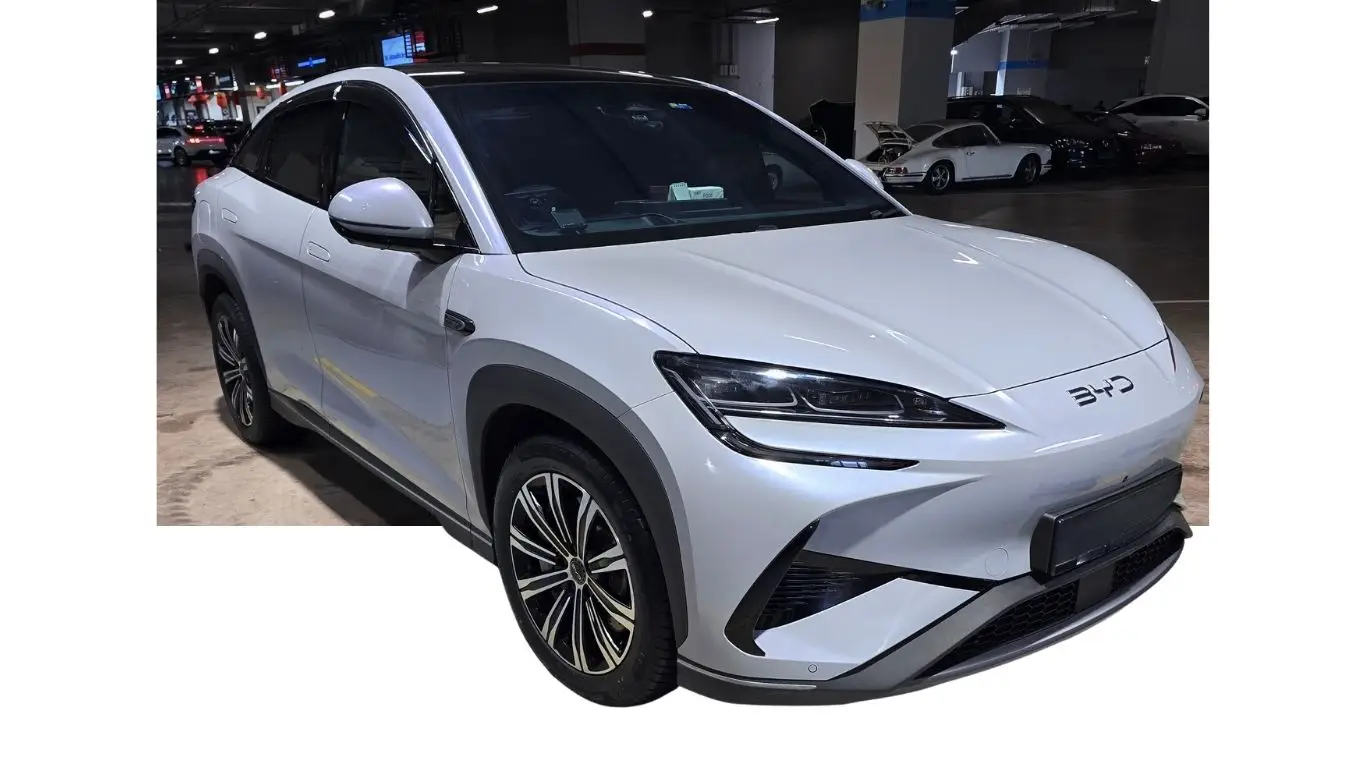
The BYD Sealion 7 has quickly become one of the most talked-about electric SUVs in Singapore. With its strong acceleration, quiet cabin and smooth driving experience, it appeals to both daily commuters and drivers upgrading from petrol cars.
However, what many owners overlook is that EVs behave very differently from traditional vehicles. The Sealion 7 is heavier due to its battery pack, and it delivers instant torque the moment you press the accelerator. This combination places significantly more stress on tyres, especially on the driven wheels.
In Singapore, where roads are often wet and temperatures remain high year-round, tyre choice directly affects safety, comfort and long-term running cost.
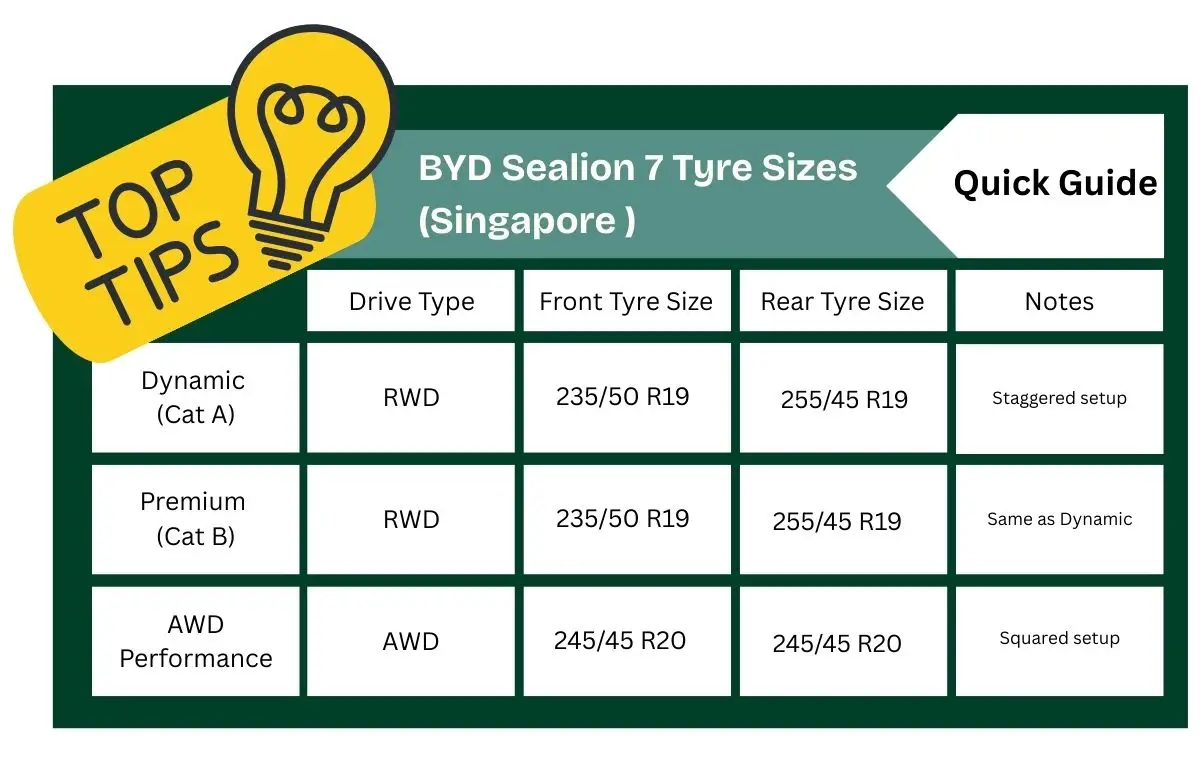
The Sealion 7 comes with different tyre setups depending on the variant. Understanding your correct size is the first step before any replacement.
The Dynamic (Cat A) and Premium (Cat B) variants use a staggered setup. This means the rear tyres are wider than the front, improving traction and stability. The factory sizes are 235/50 R19 at the front and 255/45 R19 at the rear.
For the AWD Performance variant, the setup is square, with 245/45 R20 tyres on all four wheels. This configuration is more performance-focused, offering stronger grip and sharper handling.
If you’re unsure about your tyre size, you can check the tyre sidewall, the driver-side door sticker, or your owner’s manual. Before changing to a different size, it’s best to consult a tyre specialist to ensure proper fitment, safety and compliance.
Need help choosing the right tyres?
Message us at this number 69255296 for a personalised recommendation based on your driving style, budget and usage.
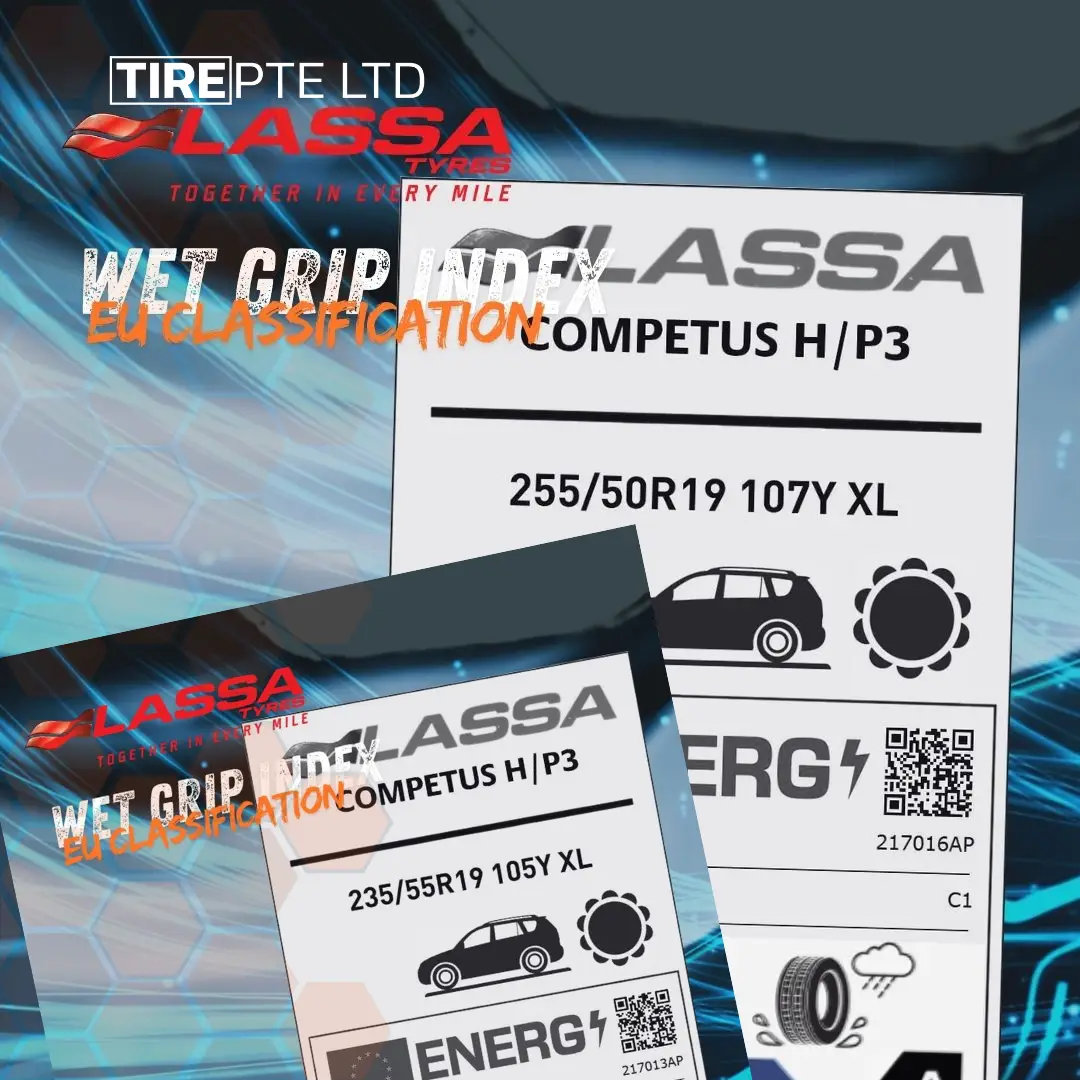
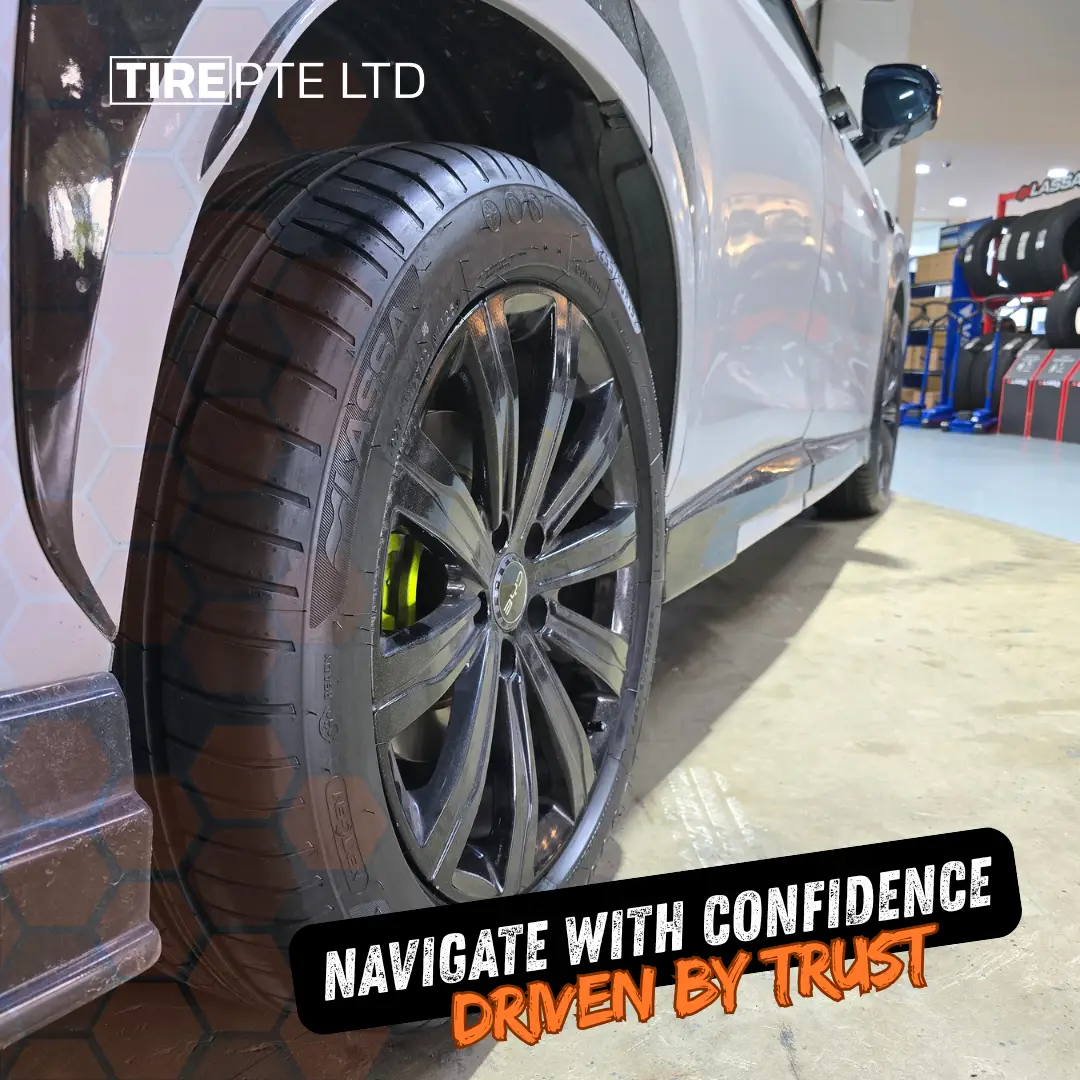
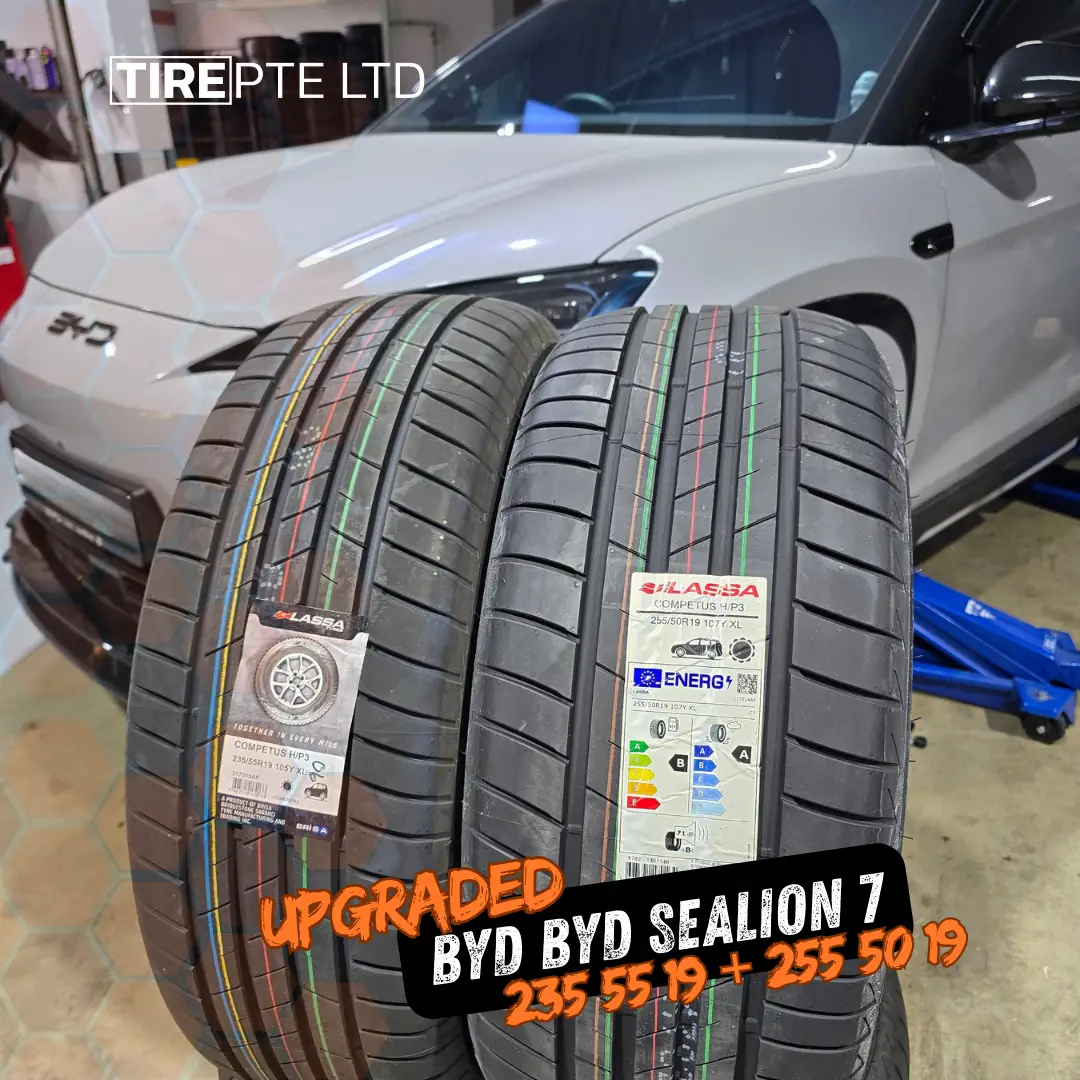
Electric vehicles like the Sealion 7 are known for their smooth and silent drive, but this also means tyre characteristics become more noticeable.
First, the added battery weight increases the load on each tyre. This requires tyres with stronger construction and higher load ratings to maintain safety and durability. Second, quick torque makes things wear out faster, especially on the rear tyres of rear-wheel-drive cars. Because of this, a lot of people in Singapore discover that their rear tyres wear out faster than their front tyres.
Noise is another thing. Without the engine noise blocking out road noise, the pattern and compound of the tyres have a direct effect on how comfortable the interior is. Choosing a quieter tyre can significantly improve the driving experience.
There aren’t many rotation possibilities for staggered layouts. You cannot rotate front to rear, but you can still rotate left to right to help even out wear. This particular case, keeping the right alignment and pressure is much more essential.
Driving in Singapore presents a unique combination of challenges. Heavy rain can occur suddenly, creating standing water on expressways and increasing the risk of hydroplaning. At the same time, high road temperatures accelerate tyre wear and harden rubber compounds over time.
For most drivers, daily routes include expressways like PIE, CTE and AYE. This makes stability at higher speeds, low noise and efficiency key factors when choosing tyres.
Because of this environment, tyres for the Sealion 7 should prioritise strong wet grip, effective water evacuation, and compounds that remain stable in both heat and rain.
When selecting tyres for your BYD Sealion 7, it is not just about fitting the correct size. The characteristics of the tyre will determine how your car performs every day.
Wet grip is one of the most important factors. In Singapore’s frequent rain, tyres must be able to disperse water quickly to maintain contact with the road. This directly affects braking distance and cornering stability.
Comfort and noise are also important. A well-designed tyre with optimised tread patterns can significantly reduce road noise, making your EV feel even more refined.
Durability matters because EVs tend to wear tyres faster. Choosing a tyre with the right compound and load rating can extend lifespan and reduce replacement frequency.
Efficiency is another consideration. Low rolling resistance tyres can help maintain driving range, especially for drivers who rely heavily on expressway commuting.
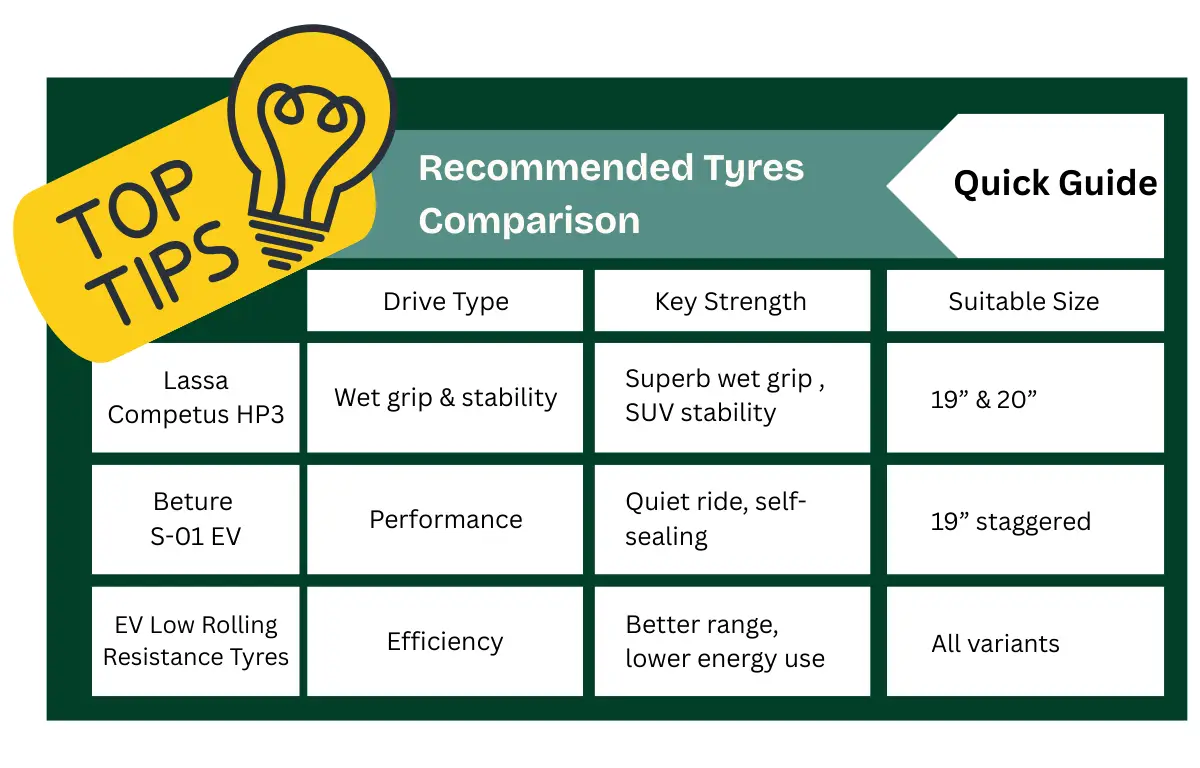
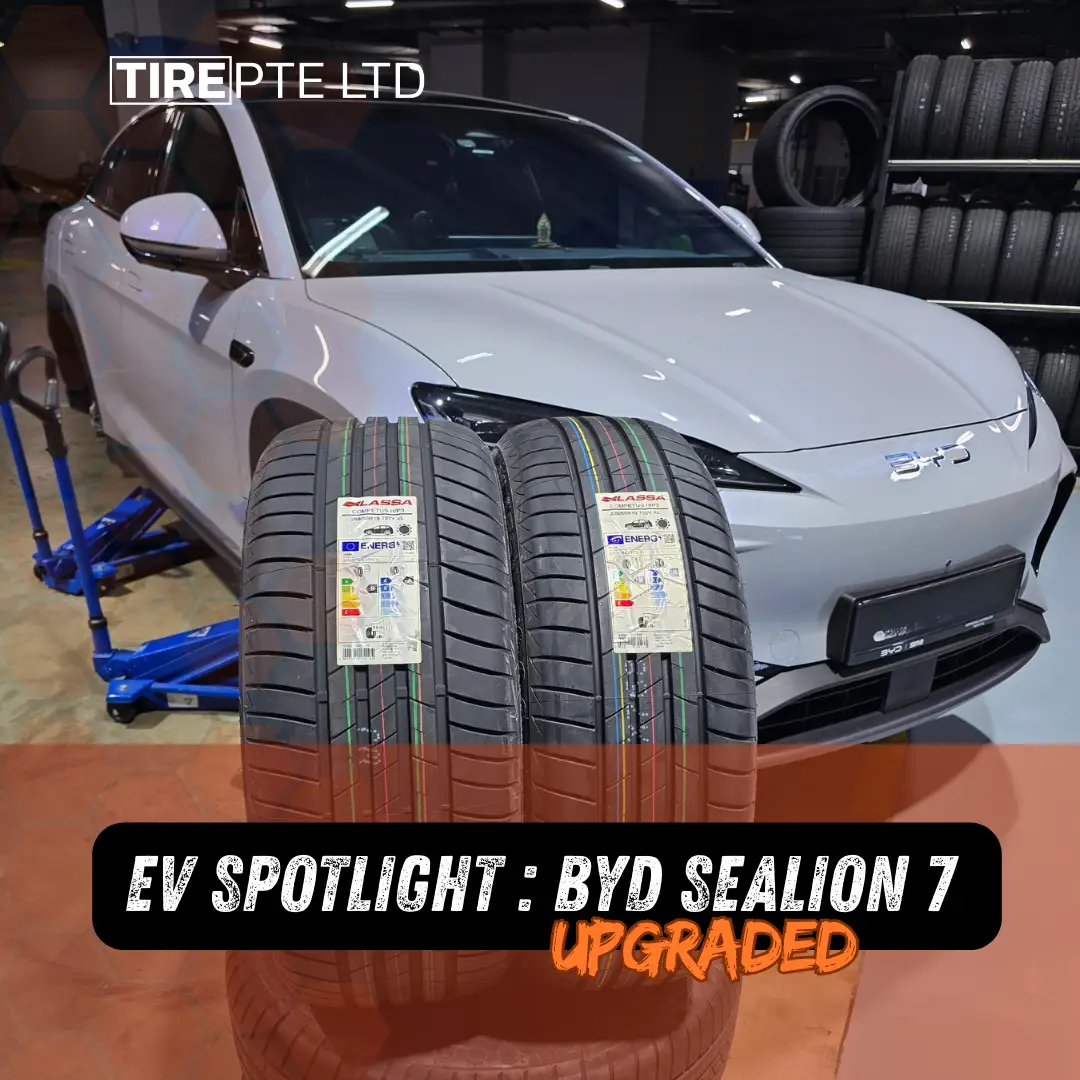
For drivers looking for strong wet performance and stability, the Lassa Competus HP3 tyres by Brisa Bridgestone Sabancı Tyre Manufacturing and Trading Inc. is a suitable option for Singapore conditions. It is designed for SUV applications and offers reliable grip in wet weather, making it well suited for daily driving in a tropical climate.
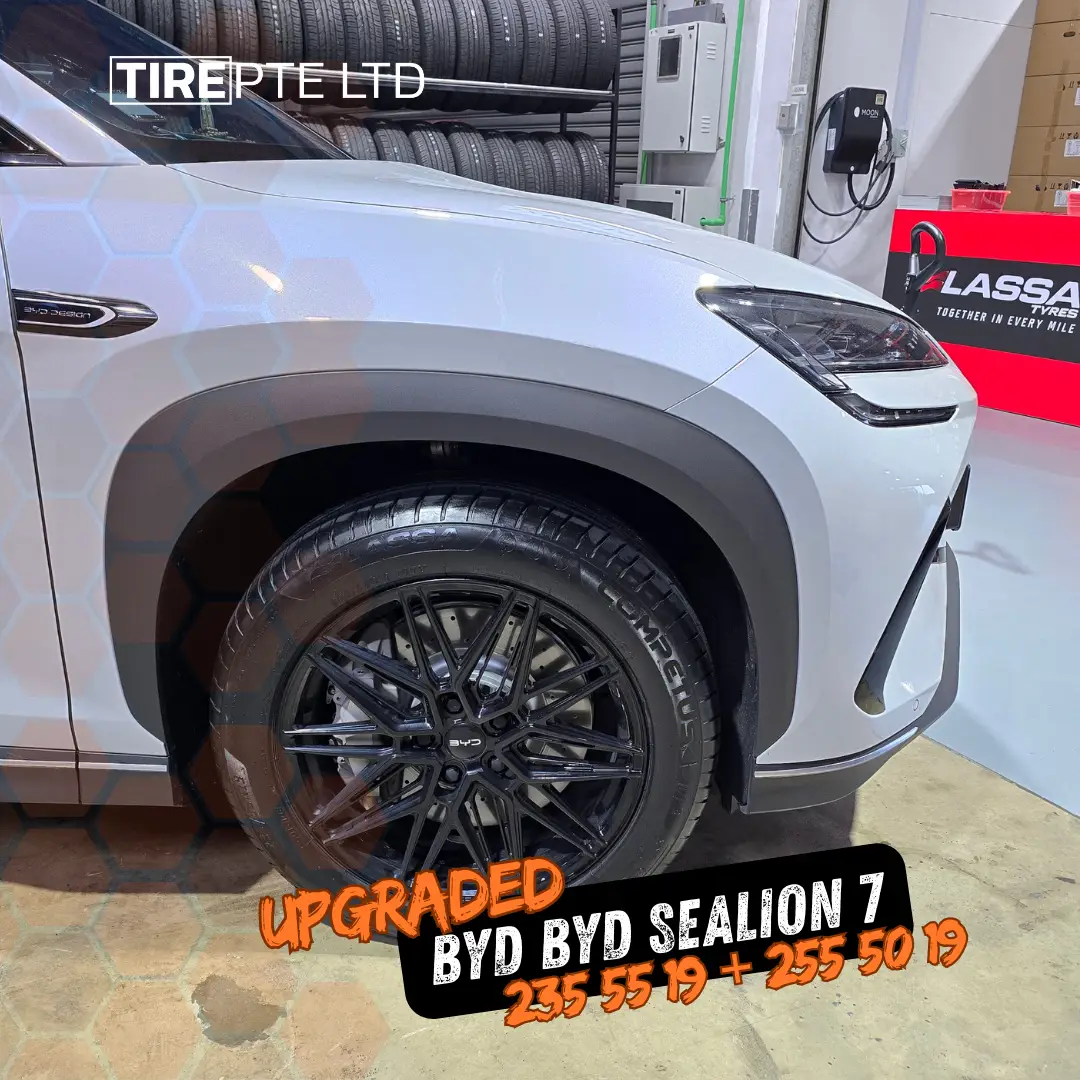
Some drivers consider slightly upsizing their tyres for added comfort. For example, moving from 235/50 R19 to 235/55 R19 at the front and from 255/45 R19 to 255/50 R19 at the rear can provide more sidewall cushioning. However, this should always be checked with a professional to ensure there are no clearance or rubbing issues.
For those seeking a puncture resistance option with EV-focused features, Beture S-01 EV tyres offer a quieter ride and include self-sealing technology. This can help maintain pressure in the event of minor punctures, which is useful for urban driving in Singapore.
For Performance variant owners using 20-inch tyres, it is important to prioritise tyres with strong sidewall support and wet grip, as these tyres are typically more performance-oriented and may trade off some comfort.
Maintaining correct tyre pressure is essential for both safety and efficiency. The BYD Sealion 7 is equipped with a Tyre Pressure Monitoring System (TPMS), which alerts you when pressure drops below recommended levels.
In Singapore’s climate, temperature changes can cause fluctuations in tyre pressure. Regular checks, at least once a month, help ensure optimal performance. Proper pressure improves braking, reduces uneven wear and helps maintain battery efficiency.
Choosing the Right Tyres for Your Driving Style
There is no single “best tyre” for every Sealion 7 driver. The right choice depends on how and where you drive.
If you prioritise safety and daily commuting, focus on wet grip and comfort. If you drive frequently on expressways, look for stability and low noise. If you are more performance-oriented, especially with the AWD variant, grip and handling become more important.
At Tire Pte Ltd, many EV drivers in Singapore share similar concerns: faster tyre wear, increased noise over time, and reduced confidence in heavy rain. Choosing the right tyre setup can address all three and significantly improve the overall driving experience.
Choosing the right tyre depends on your driving style and road conditions in Singapore. Need help choosing the right tyres? Message us at this number 69255296 for a personalised recommendation based on your driving style, and usage.
Tyres should not be replaced based on mileage alone. In Singapore, heat and wet roads can cause tyres to lose grip faster.
Common signs include slipping, skidding, or reduced traction, especially in the rain. If braking feels less stable, it is a clear warning your tyres may be worn.
Most service advisors recommend checking and rotating tyres every 8,000 to 10,000 km. This helps inspect tread depth, wear patterns and overall tyre condition.
You can also use the coin method as a quick check. If the tread is too shallow, water cannot be dispersed effectively, increasing the risk of hydroplaning.
Choosing the right tyres for your BYD Sealion 7 is about more than just size. It is about matching your driving needs with Singapore’s road conditions.
By focusing on wet grip, comfort, durability and EV compatibility, you can ensure a safer, quieter and more efficient drive. Regular maintenance and proper tyre pressure will further extend the life of your tyres and improve your overall experience.
If you are unsure which tyres suit your Sealion 7, speaking to a trusted tyre specialist can help you make a more informed decision and avoid costly mistakes.
Not sure which tyre fits your BYD Sealion 7 best?
Message us directly for a personalised recommendation based on your driving style, budget and usage.
 Tire Pte Ltd — Navigate With Confidence
 WhatsApp us
The original tyre sizes for the Sealion 7
Tyre size changes are possible in some cases, but should always be checked with a professional to avoid clearance, speedometer or insurance issues.
EV-specific tyres do make a difference, as they are designed to handle higher weight, instant torque and lower noise requirements.
Even with a staggered setup, tyre rotation is still useful, although limited to left-to-right swaps on each axle.
Singapore’s heat and humidity can accelerate tyre wear, making regular checks and proper tyre selection even more important.
